Archives
- 2026-08
- 2026-07
- 2026-06
- 2026-05
- 2026-04
- 2026-03
- 2026-02
- 2026-01
- 2025-12
- 2025-11
- 2025-10
- 2025-09
- 2025-04
- 2025-03
- 2025-02
- 2025-01
- 2024-12
- 2024-11
- 2024-10
- 2024-09
- 2024-08
- 2024-07
- 2024-06
- 2024-05
- 2024-04
- 2024-03
- 2024-02
- 2024-01
- 2023-12
- 2023-11
- 2023-10
- 2023-09
- 2023-08
- 2023-06
- 2023-05
- 2023-04
- 2023-03
- 2023-02
- 2023-01
- 2022-12
- 2022-11
- 2022-10
- 2022-09
- 2022-08
- 2022-07
- 2022-06
- 2022-05
- 2022-04
- 2022-03
- 2022-02
- 2022-01
-
br Disp Mediated Hh Membrane Recycling
2022-08-26
Disp-Mediated Hh Membrane Recycling Due to its cholesterol modification, Drosophila Hh enriches on sphingolipid-rich apical membranes of polarized epithelial formula for concentration 33., 38., 39.. Genetic studies examining Hh release from wing imaginal disc epithelia suggest that Hh must be end
-
Three additional Type I CDK and
2022-08-26
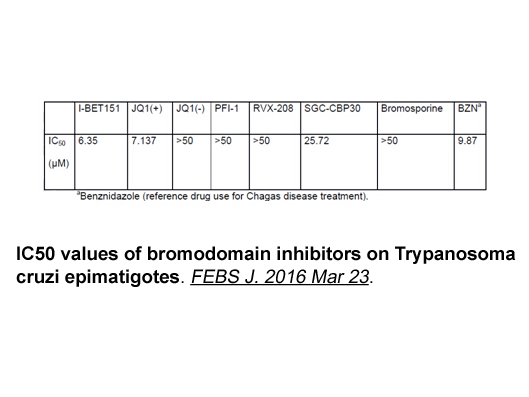
Three additional Type I CDK8 and CDK19 kinase inhibitors have also been recently reported. Orally available 3-benzylindazole 12 was discovered by optimization of compounds with HSP90 affinity to yield potent and selective CDK8 inhibitors. Compound 12 showed strong binding activity for CDK8 with an I
-
MPTP hydrochloride The GLU Epac transgenic mouse enabled
2022-08-26
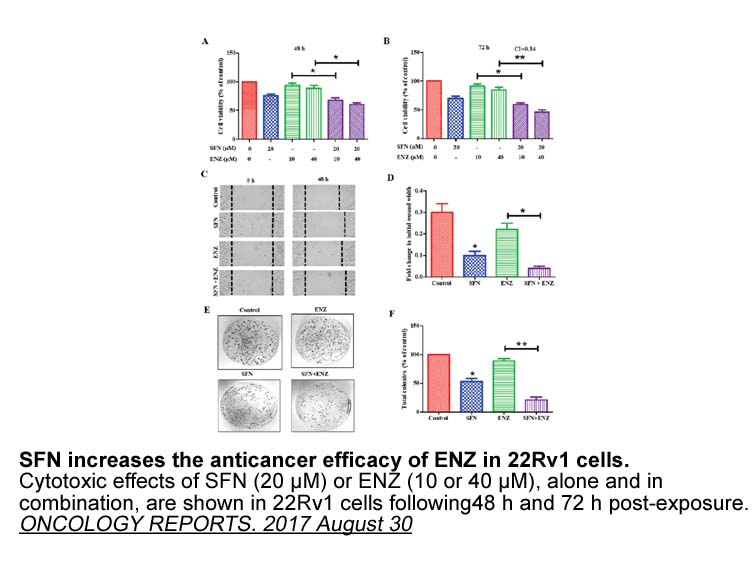
The GLU-Epac transgenic mouse enabled us to monitor cAMP responses to GPR119 ligands in individual primary cultured L-cells. Not all L-cells were found to be responsive to AR231453, suggesting there may be a subpopulation of L-cells that do not express functional GPR119. There was a tendency for sma
-
Curcumin is the active ingredient extracted
2022-08-26
Curcumin is the active ingredient extracted from the natural medicine turmeric rhizome (Goel et al., 2008, Aggarwal and Harikumar, 2009). Studies have shown that curcumin has anti-tumor, anti-inflammatory, antioxidant and antimicrobial properties (Larsen et al., 2007, López-Lázaro, 2008). Although c
-
br Experimental br Acknowledgment This work was supported in
2022-08-26
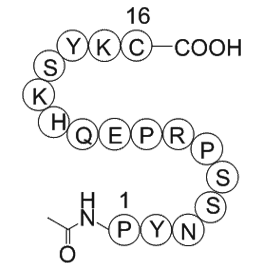
Experimental Acknowledgment This work was supported in part by a Grant-in-Aid for Scientific Research from the Ministry of Education, Culture, Sports, Science and Technology of Japan. Glyoxalase I (GLO1) is a zinc enzyme that catalyzes the isomerization of a hemithioacetal, formed from glut
-
vilazodone hcl receptor br Materials and methods br
2022-08-26
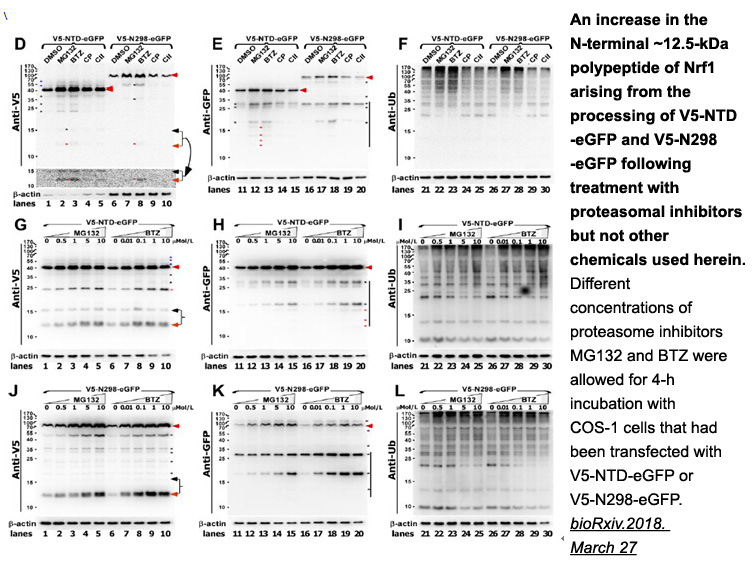
Materials and methods Results Discussion All the UDG superfamily glycosylases examined here, UDG, SMUG1, TDGFL, and TDG82−308, are capable of completely converting U-containing duplex substrates to product, though at different rates. Under STO conditions, kobs reflects the slowest kinetic s
-
Instead our results reveal that autophagy controls the
2022-08-26
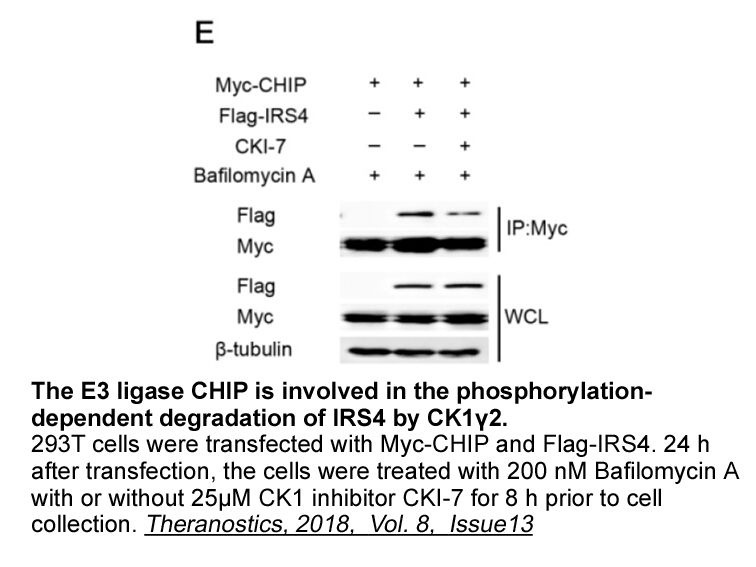
Instead, our results reveal that autophagy controls the membrane association of the cargo-selective SNX-BAR retromer assembly (comprised of the VPS35/29/26 trimer in association with SNX1/2 and SNX5/6), which has been demonstrated to promote GLUT1 surface recycling. Accordingly, GLUT1 localization i
-
A localization of GK to
2022-08-26
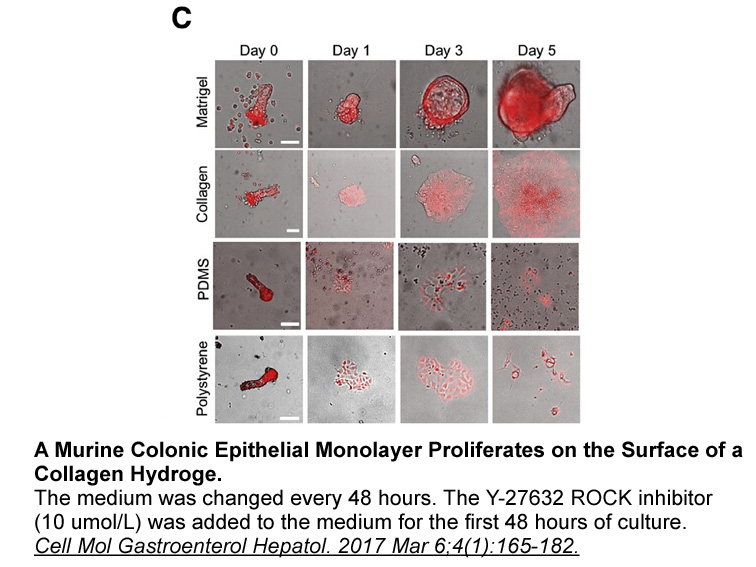
A localization of GK to both a cytoplasmic and perinuclear area of normal rat pancreatic beta-cells was reported in 1996 (Noma et al., 1996), which changed on acute hyperglycemia to a more diffuse staining throughout the cytoplasm. The localization of GK within the nucleus was first reported by Mura
-
br Indirect GLI antagonists br Direct GLI antagonists br
2022-08-25
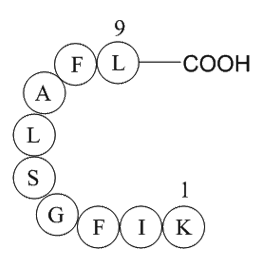
Indirect GLI antagonists Direct GLI antagonists Concluding remarks Targeting GLI effectors represents a promising therapeutic strategy for cancer treatment. This is particularly relevant for certain tumors, such as MB, since, although classified into four distinct molecular groups (Hh- or W
-
br Discussion According to the
2022-08-25
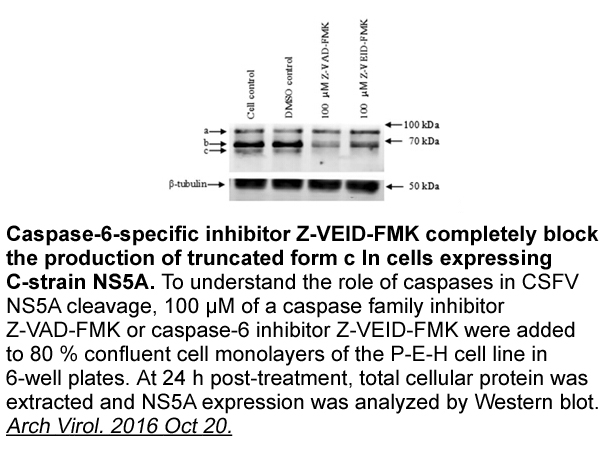
Discussion According to the generally accepted notion which originated from the study of ATP-depleted tipiracil the changes in Ca2+ homeostasis induced by ATP depletion and leading to the activation of the Gárdos effect are due to the inhibition of Ca2+ pumping, and the subsequent entry of Ca2+ t
-
Ionotropic aminobutyric acid GABA receptors GABARs belong to
2022-08-25
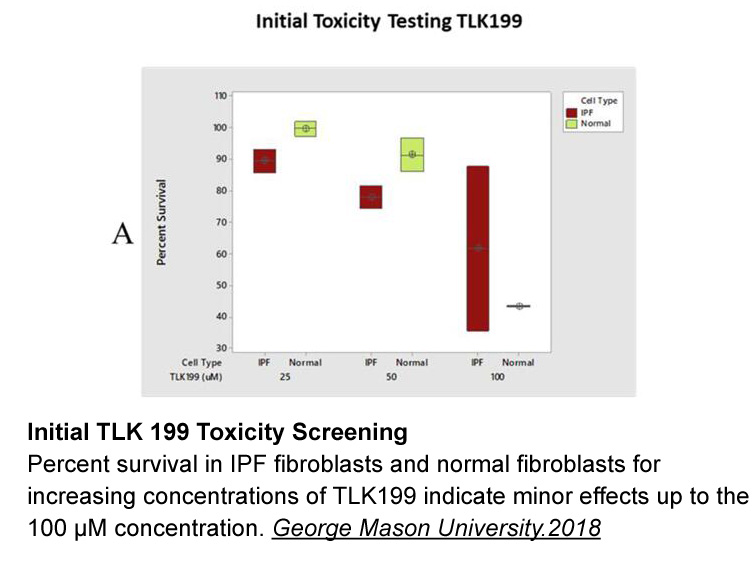
Ionotropic γ-aminobutyric G-1 (GABA) receptors (GABARs) belong to the Cys-loop ligand-gated ion channel (LGIC) superfamily and play an important role in the rapid inhibitory synaptic transmission in nervous systems of both vertebrate and invertebrate (Buckingham et al., 2005). Insect ionotropic GABA
-
br Acknowledgements The authors have no ethical conflicts
2022-08-25
Acknowledgements The authors have no ethical conflicts to disclose. The authors have no conflicts of interest to declare. This work was funded by the Research Council of Lithuania. Introduction This paper studies whether there is a causal influence of the risk-taking incentives provided by op
-
We sought to deduce the role of membrane
2022-08-24
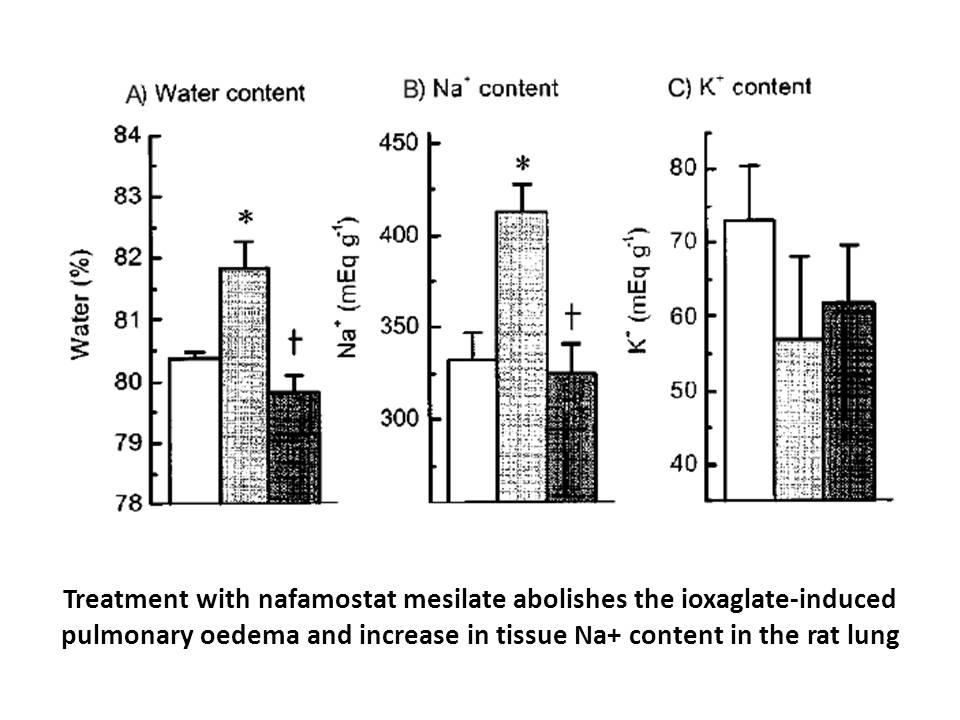
We sought to deduce the role of membrane lipid determinants on endo- and exocytosis by applying a combination of metabolic (lipid) engineering approaches and biophysical methods, e.g. classical optical imaging technologies and high-resolution time-resolved patch-clamp/capacitance measurements. The l
-
br Acknowledgments br Introduction Lung cancer
2022-08-24
Acknowledgments Introduction Lung cancer is a common but extremely perilous cancer, with approximately 733,000 new incidences reported annually in China [1]. Lung cancer ranks highest in the causes of tumor-related mortality, accounting for approximately one quarter of all cancer deaths [2]. N
-
The Bcl and Bcl xL genes
2022-08-24
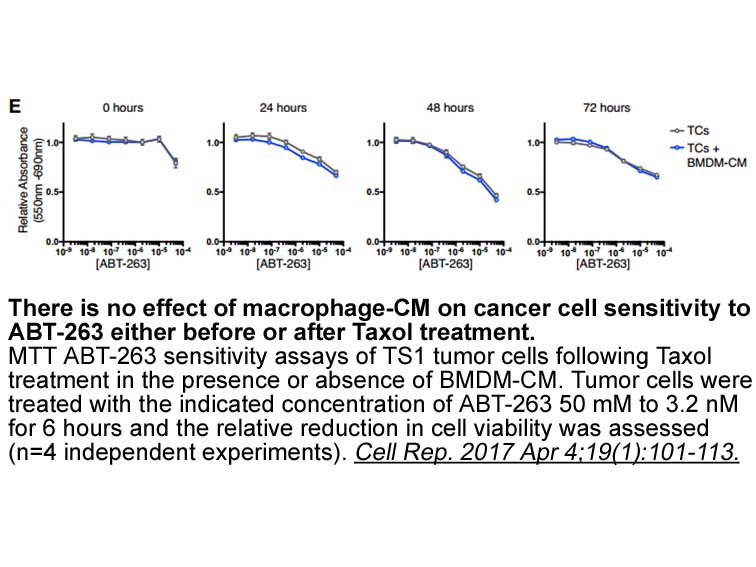
The Bcl-2 and Bcl-xL genes contain the CRE binding site in their promoter regions for CREB and CBP to bind to, so CREB phosphorylation was shown to up-regulate these anti-apoptotic genes, Bcl-2 and Bcl-xL [[29], [30], [31]]. Bcl-2 and Bcl-xL prevent the activation of caspases and the release of mito
8050 records 411/537 page Previous Next First page 上5页 411412413414415 下5页 Last page