Archives
- 2026-08
- 2026-07
- 2026-06
- 2026-05
- 2026-04
- 2026-03
- 2026-02
- 2026-01
- 2025-12
- 2025-11
- 2025-10
- 2025-09
- 2025-04
- 2025-03
- 2025-02
- 2025-01
- 2024-12
- 2024-11
- 2024-10
- 2024-09
- 2024-08
- 2024-07
- 2024-06
- 2024-05
- 2024-04
- 2024-03
- 2024-02
- 2024-01
- 2023-12
- 2023-11
- 2023-10
- 2023-09
- 2023-08
- 2023-06
- 2023-05
- 2023-04
- 2023-03
- 2023-02
- 2023-01
- 2022-12
- 2022-11
- 2022-10
- 2022-09
- 2022-08
- 2022-07
- 2022-06
- 2022-05
- 2022-04
- 2022-03
- 2022-02
- 2022-01
-
The inhibitory activities of the compounds
2022-05-17
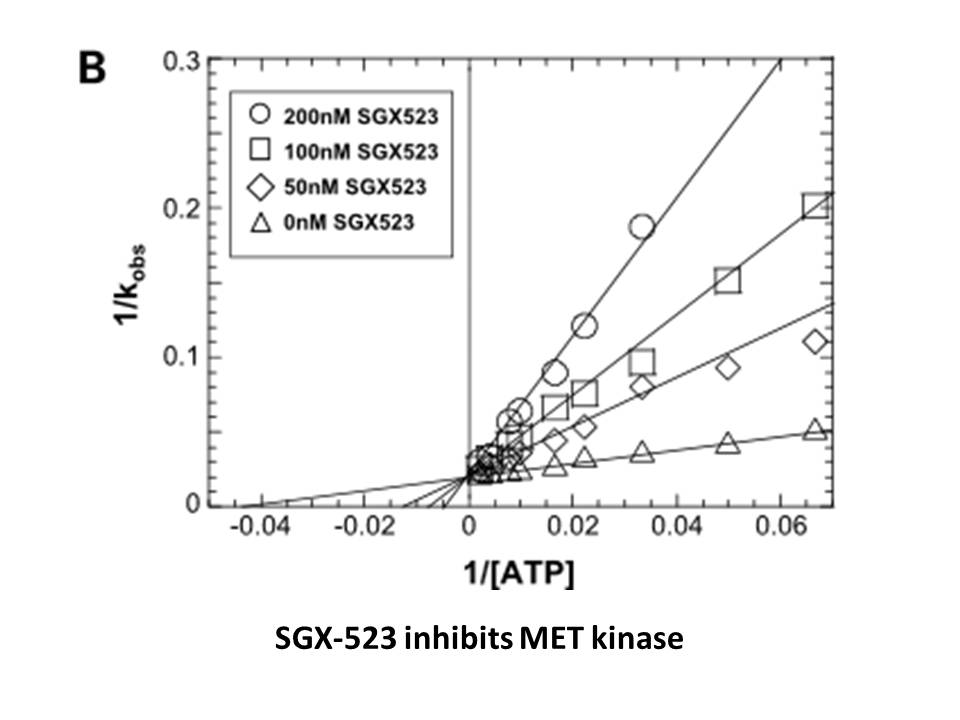
The inhibitory activities of the compounds with the modification of the amino group against human liver FBPase are summarized in . Replacement of the amino group of with hydrophobic substituent such as a methyl group () led to a substantial loss of activity (IC=995nM). Similarly, replacement with ha
-
hedgehog inhibitor We then explored the possible
2022-05-17

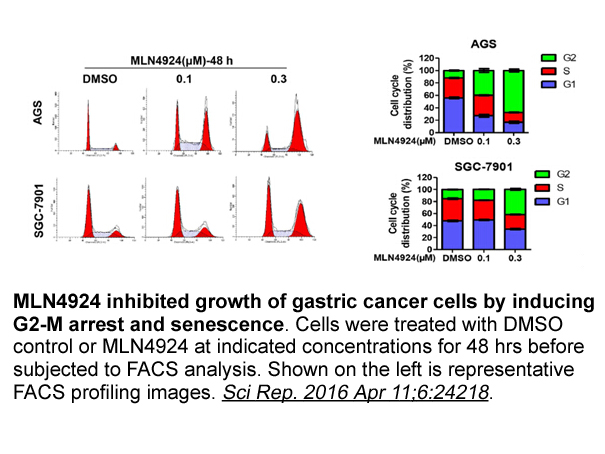
We then explored the possible mechanisms by which integrin α5β1 was involved in the PHEV proliferation process. Normally, the virus activates integrin and induces its downstream protein activation to promote its own invasion and proliferation. Human papillomavirus type 16 (HPV16) binds to heparan su
-
br Anandamide signaling and cardiovascular function The card
2022-05-17
Anandamide signaling and cardiovascular function The cardiovascular effects of cannabinoid compounds have been known for a long time. Studies in humans indicate that chronic use of marijuana causes long lasting decrease in blood pressure and heart rate, whereas the acute use increases heart rate
-
It is well known that
2022-05-17
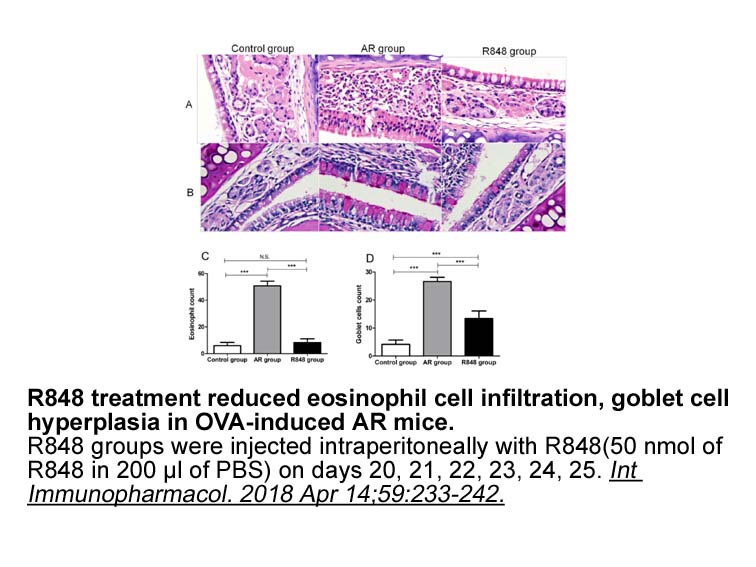
It is well known that TLR4-induced inflammation is associated with behavioural alterations including fever, hypolocomotion, altered appetite, anxiety and anhedonia (Dantzer, 2006, Dantzer et al., 2008). The current data demonstrate that while PF3845 potently attenuates TLR4-induced cytokines in the
-
In studies described earlier IRL was
2022-05-17
In studies described earlier, IRL-1620 was administered intravenously; however, because of its short half-life (Rubin and Levin, 1994) (about 7–8min), the dosing had to be repeated three times. Also, a dose-dependent hypotension was observed with repeated doses of IRL-1620 in rats (Leonard and Gulat
-
The stable association of Hat complexes with histones H
2022-05-17
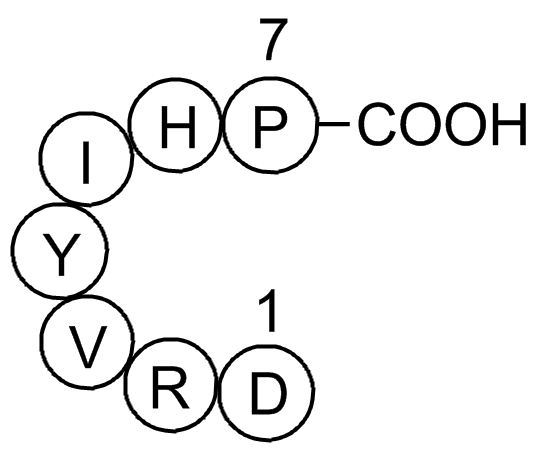
The stable association of Hat1 complexes with histones H3 and H4 raises a number of interesting issues. The first is the question of how Hat1 remains stably associated with histones H3 and H4. While the simple answer is that Hat1 remains bound to histones because of its association with histone chap
-
While the dogma of the mainstream considers Hippo
2022-05-17
While the dogma of the mainstream considers Hippo pathway as a series of size-controlling kinases, there were still some controversial data supporting that YAP, a vital oncoprotein of Hippo downstream, is antagonistic to regenerative proliferation [[20], [21], [22]]. Known for its expansion-driving
-
Fig C presents the secondary structure arrangement
2022-05-17
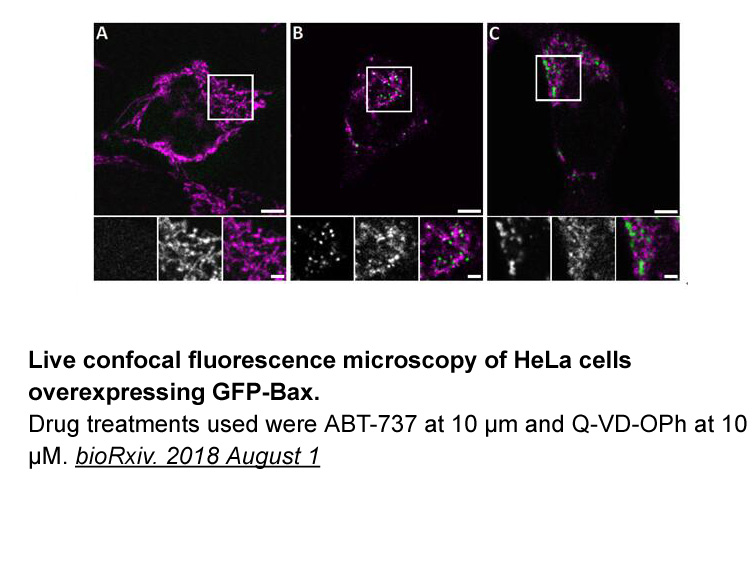
Fig. 1(C) presents the secondary structure arrangement of the PAS-A and PAS-B domains in both HIF-2α and ARNT. The common scaffold of the PAS domains is a β sheet with numerous flanking α helixes. The PAS-A domains of both HIF-2α and ARNT have A’α, Aβ, Bβ, Cα, Dα, Eα, Fα, Gβ, Hβ, and Iβ from the N t
-
Taken together our results indicate that HSF and
2022-05-17
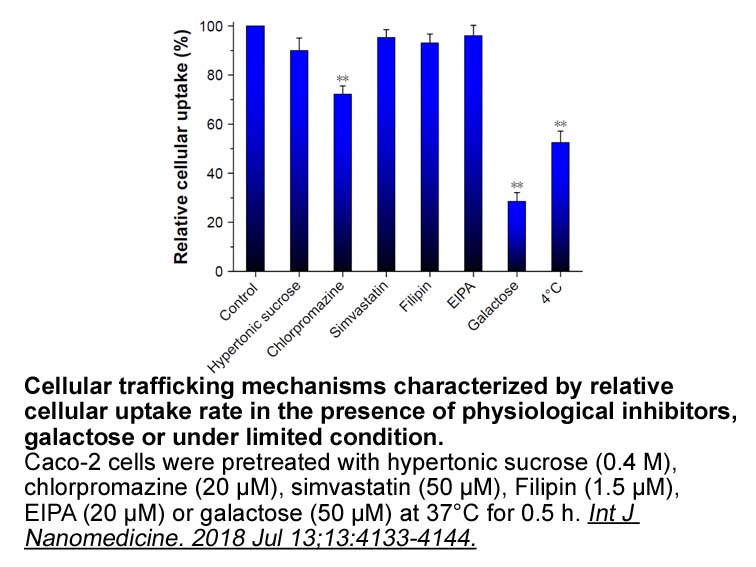
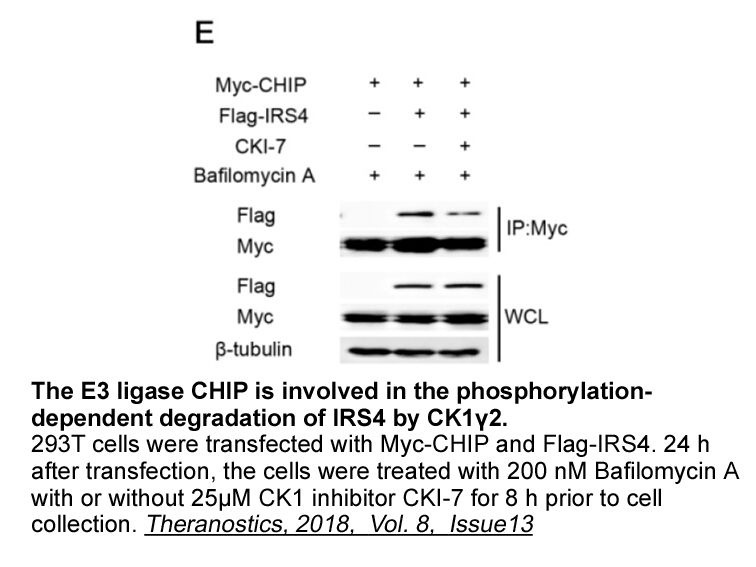
Taken together, our results indicate that HSF1 and NRF2 reciprocally regulate HO-1 expression. Although each of HSF1 and NRF2 controls a distinct cytoprotective pathway, mounting evidence points that they engage in crosstalk [15,22]. The protein-protein interaction between HSF1 and NRF2 may be inter
-
The replacement of the P
2022-05-17
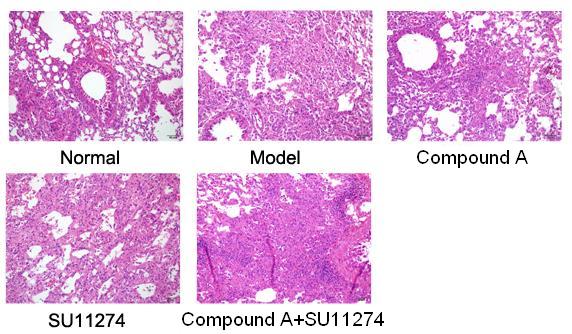
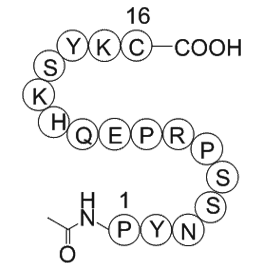
The replacement of the P-butyl urea cap with sulfonamide derived cap had a profound effect on binding. Compound obtained by the replacement of -butyl urea P cap of compound with sulfonamide demonstrated a =34nM, a fifteen folds improvement in potency. Similarly replacement of P-butyl cap in the P c
-
br GSNOR regulates SA synthesis and SA signalling
2022-05-17
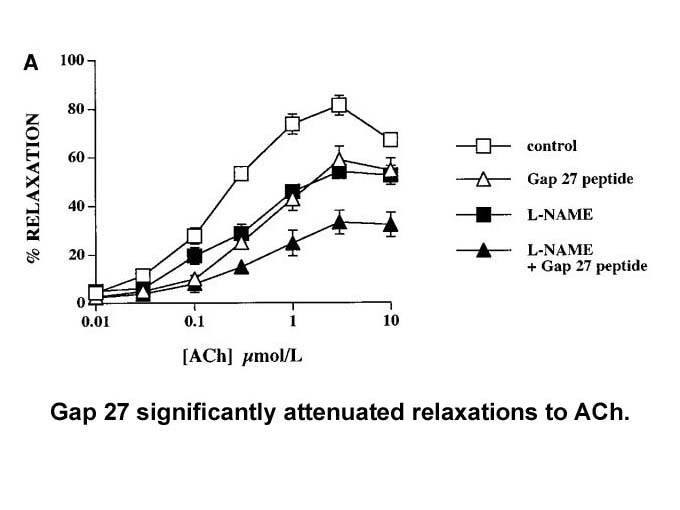
GSNOR1 regulates SA synthesis and SA signalling The phenolic metabolite salicylic Apremilast (SA) is a powerful immune activator in plants. Moreover, mutations that disable SA biosynthesis or transgenes that result in its depletion compromise both resistance (R) gene-mediated and basal resistanc
-
The recently de orphaned G protein coupled receptor GPCR GPR
2022-05-17
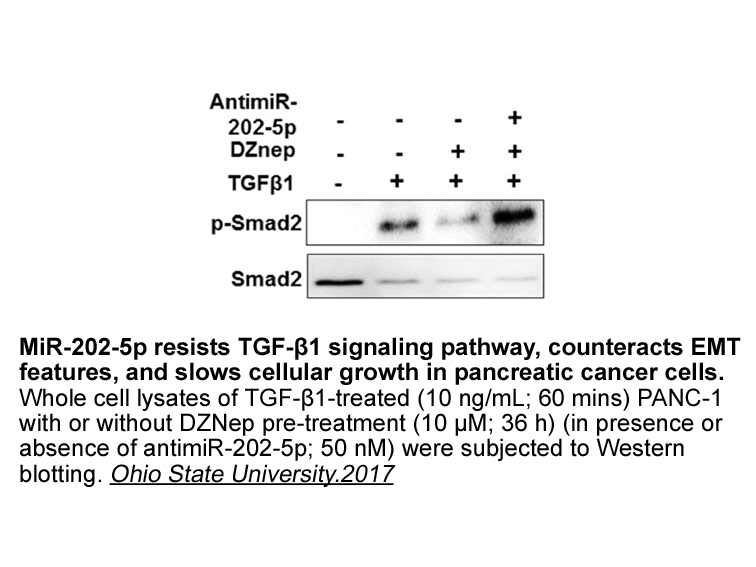
The recently de-orphaned G-protein coupled receptor (GPCR), GPR55, is activated endogenously by L-α-lysophosphatidylinositol (LPI), a lipid signaling molecule, as well as N-arachidonoyl glycine (NAGly) and numerous endo, phyto, and synthetic cannabinoids (Oka et al., 2007, Henstridge et al., 2010, H
-
To search for potential variants of SLA
2022-05-17
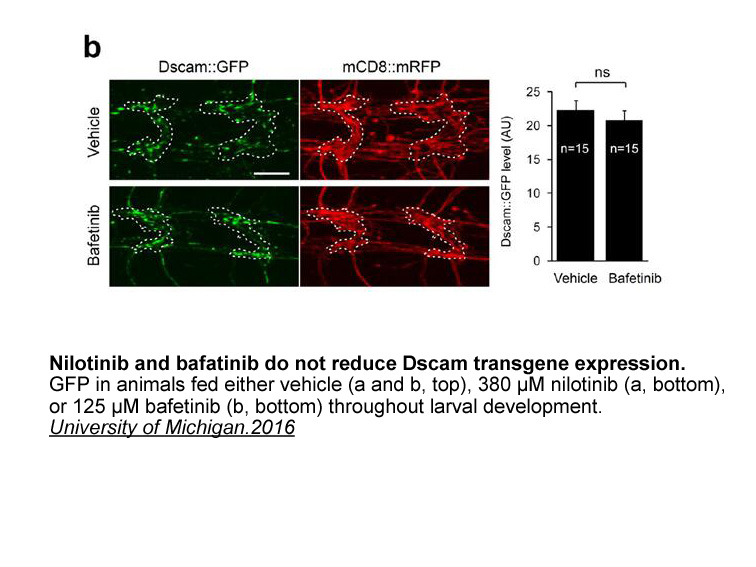
To search for potential variants of SLA-DOB and CD4 associated with different (percentage) levels of the five (T-lymphocyte subsets, total antibody IgG, interferon alpha (IFN-α), Toll like receptor 3 (TLR3), interleukin 6 (IL-6) in serum and porcine reproductive and respiratory syndrome virus (PRRSV
-
Introduction Molecular imprinting technology is a
2022-05-17
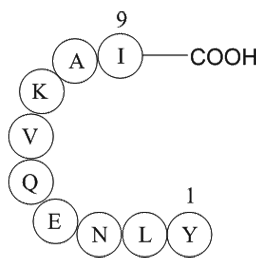
Introduction Molecular imprinting technology is a method that combines the material chemistry, biochemistry, and polymer chemistry and has the ability to specifically identify target analytes on shape, size and functional groups. Molecular imprinting polymer (MIP) is developed based on molecular im
-
br Results br Discussion br Materials
2022-05-16

Results Discussion Materials and Methods Introduction Deoxyribonucleic AZ505 ditrifluoroacetate (DNA) is among the most important biopolymers in living organisms alongside carbohydrates and proteins. DNA is a linear polymer consisting of four types of nucleobases, deoxyribose, and phosp
8050 records 465/537 page Previous Next First page 上5页 461462463464465 下5页 Last page