Archives
- 2026-10
- 2026-09
- 2026-08
- 2026-07
- 2026-06
- 2026-05
- 2026-04
- 2026-03
- 2026-02
- 2026-01
- 2025-12
- 2025-11
- 2025-10
- 2025-09
- 2025-04
- 2025-03
- 2025-02
- 2025-01
- 2024-12
- 2024-11
- 2024-10
- 2024-09
- 2024-08
- 2024-07
- 2024-06
- 2024-05
- 2024-04
- 2024-03
- 2024-02
- 2024-01
- 2023-12
- 2023-11
- 2023-10
- 2023-09
- 2023-08
- 2023-06
- 2023-05
- 2023-04
- 2023-03
- 2023-02
- 2023-01
- 2022-12
- 2022-11
- 2022-10
- 2022-09
- 2022-08
- 2022-07
- 2022-06
- 2022-05
- 2022-04
- 2022-03
- 2022-02
- 2022-01
-
Young disease transitioning B Sle mice show partial loss of
2024-09-26
Young disease-transitioning B6·Sle1 mice show partial loss of leukocyte Axl versus B6 controls (data not shown). Further, BMDM from diseased B6·Sle1.Yaa mice do not express detectable levels of ADAM10 and TACE (ADAM17) but do express basal levels of Axl similar to wild type B6-derived BMDM (Suppleme
-
br Funding The present study
2024-09-25
Funding The present study was funded by The Scientific and Technological Research Council of Turkey (TUBITAK) within Research Program 1001, unique project number: 214S349. Introduction The apelin receptor, also called APJ or angiotensin receptor-like 1 was first cloned in 1993 due to its stro
-
Introduction According to Uganda s Ministry of
2024-09-25
Introduction According to Uganda's Ministry of Health (MOH 2012a:91), intermittent preventive treatment (IPT) to avoid malaria during pregnancy is a free preventive service available to all pregnant women without clinical signs and symptoms of malaria, attending prenatal clinics. However, pregnant
-
Angiogenesis refers to the formation
2024-09-25

Angiogenesis refers to the formation of new blood vessels from pre-existing vasculature [1]. Physiological angiogenesis is necessary for key processes such as wound healing, tissue regeneration and repair. In pathological conditions, including cardiovascular diseases, diabetes, cancer, and other pat
-
The loss of synaptic proteins such
2024-09-25
The loss of synaptic proteins such as synaptophysin from the BMS 195614 is indicative of synapse degeneration and provided a good correlate of the degree of dementia in AD [12], [13], [14]. Consequently, the loss of synaptic proteins from cultured primary neurons incubated with Aβ provides a useful
-
The SMN and SMN promoters are regulated
2024-09-25
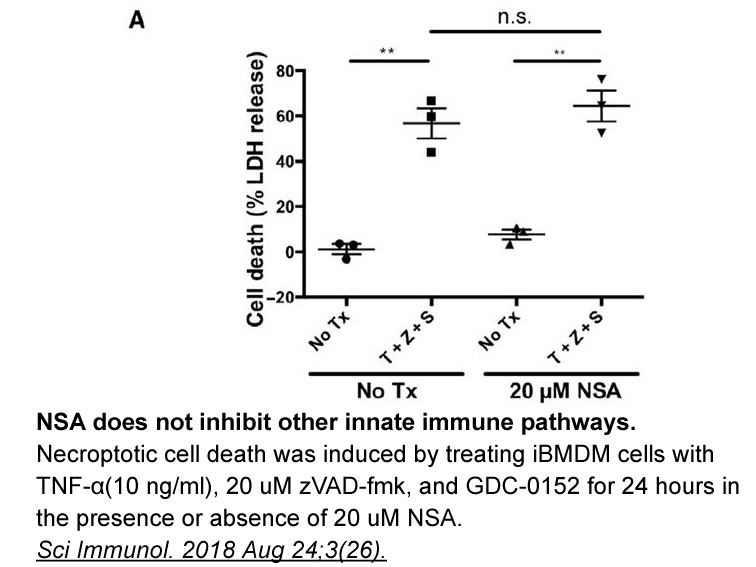
The SMN1 and SMN2 promoters are regulated by transcription factors such as E26 transformation-specific domain containing protein (ELK-1) and cAMP response element-binding protein (CREB) 58, 59. Compared with WT animals, mice with SMA exhibit increased and decreased ELK-1 and CREB phosphorylation, re
-
Corticosterone induced inhibition of OCT mediated
2024-09-25
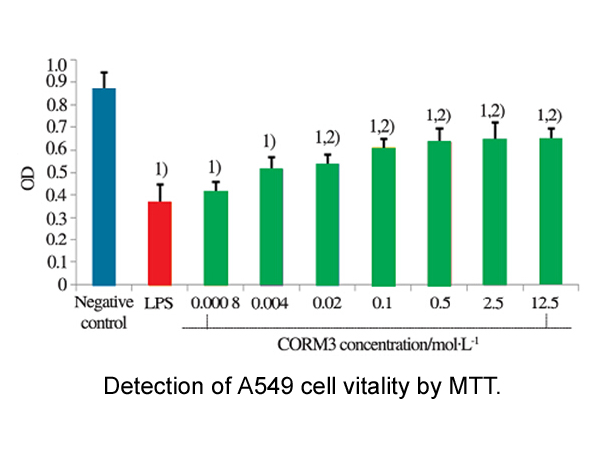
Corticosterone-induced inhibition of OCT-mediated transport is rapid and appears to involve direct interaction of the steroid with the transporter at a specific site. Volk et al. (2003) studied OCT2-mediated transport by measuring substrate-induced currents using patch clamp of Xenopus oocytes exoge
-
Corticosterone induced inhibition of OCT mediated
2024-09-25
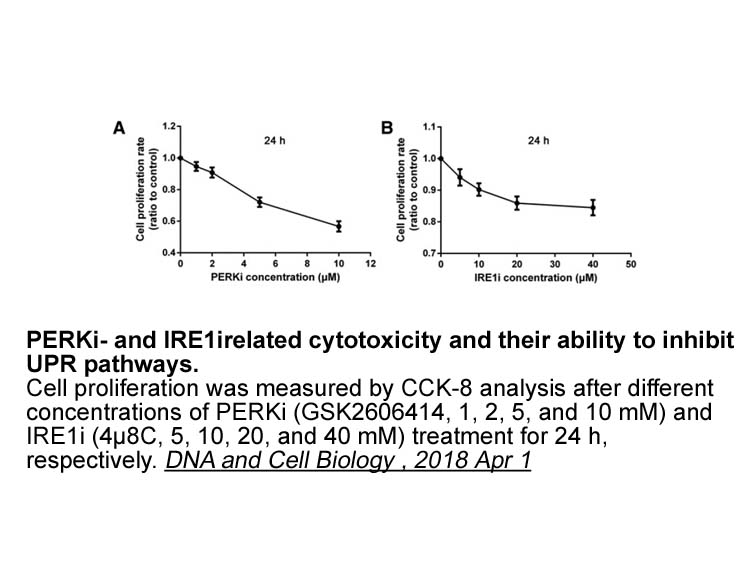
Corticosterone-induced inhibition of OCT-mediated transport is rapid and appears to involve direct interaction of the steroid with the transporter at a specific site. Volk et al. (2003) studied OCT2-mediated transport by measuring substrate-induced currents using patch clamp of Xenopus oocytes exoge
-
N6-Methyl-ATP Based on the observation that
2024-09-25
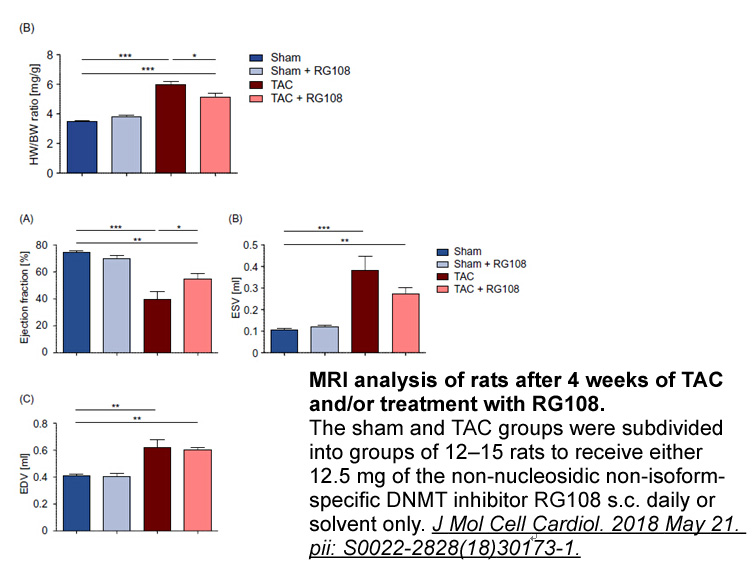
Based on the observation that antipsychotic drugs increase 5-HT1A–D2 heteromerization level (Łukasiewicz et al., 2016), we set out to compare the effect of paroxetine to that of risperidone. Paroxetine, a potent SSRI, is very effective in the treatment of depression and anxiety disorders, e.g., gene
-
HT modulates cortical and hippocampal pyramidal cell functio
2024-09-25
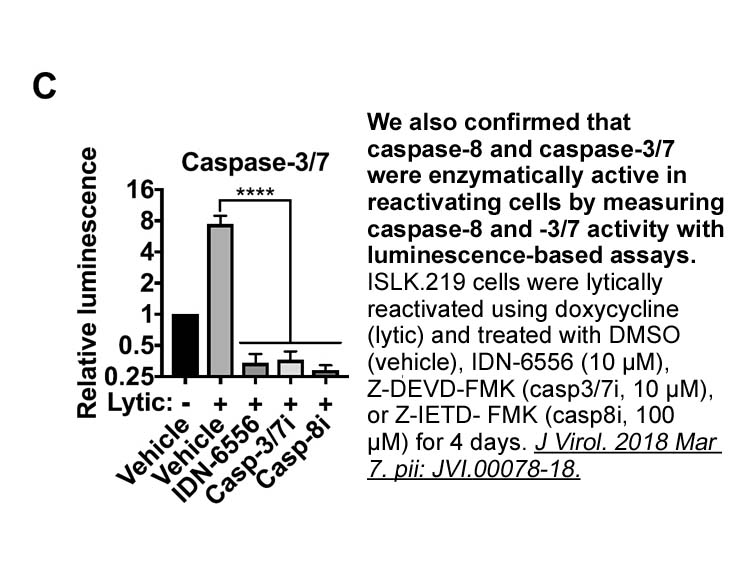
5-HT modulates cortical and hippocampal pyramidal cell function in a very complex manner, since most 5-HT receptor subtypes (excitatory as well as inhibitory) are expressed on pyramidal zcl as well as GABAergic interneurons that exert inhibitory control over pyramidal cells (Leiser et al., 2015, Da
-
br Introduction Adenosine deaminase ADA which can
2024-09-25
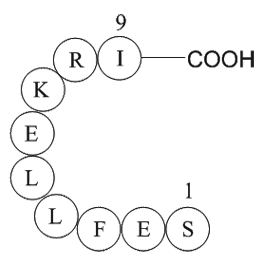
Introduction Adenosine deaminase (ADA), which can catalyze the conversion of AD to inosine by removing an amino group, is a key hydrolytic enzyme of purine metabolism (Conway and Cooke, 1939), and plays an important role in an amount of diseases. For example, an increase of ADA activity in serum
-
There is also a literature
2024-09-24
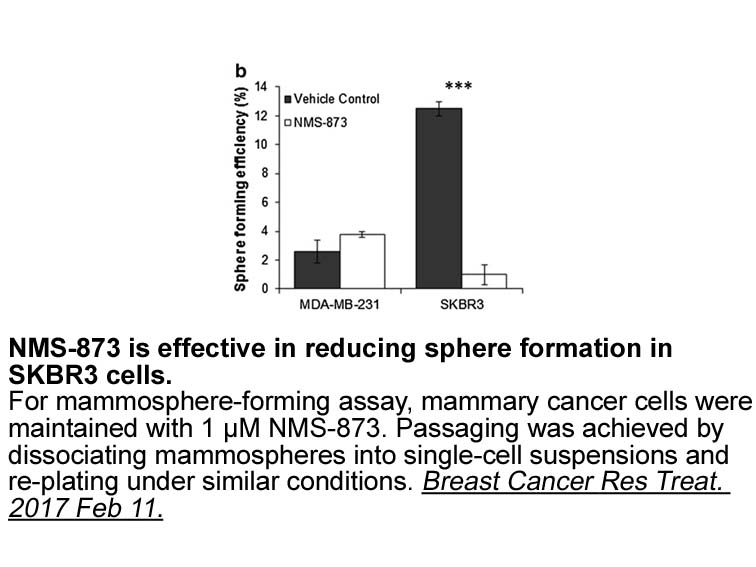
There is also a literature on the impact of commodity (consumption) taxation under imperfect competition. Besley (1989) applies a Cournot model, in which production takes place under IRS and in which free entry leads to an excessive number of firms in the market. Introducing a distortive specific co
-
Caffeic acid dihydroxycinnamic acid is a natural compound th
2024-09-24

Caffeic Calyculin A (3,4-dihydroxycinnamic acid) is a natural compound that inhibits 5-LO and exerts potent anti-inflammatory and antioxidant properties. Recently, Takeda et al. reported that caffeic acid provided neuroprotective and anti-depressive activities [23]. Sertraline, a selective serotonin
-
Direct inhibition of LO activity
2024-09-24
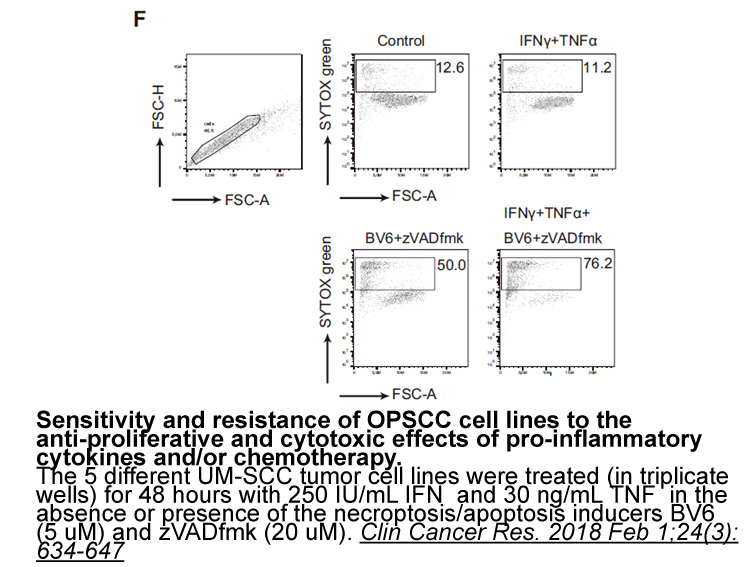
Direct inhibition of 5-LO activity by BRP-187 is clearly evident in cell-free assays using PMNL homogenates and isolated human recombinant 5-LO as enzyme source. In such assays, pure FLAP inhibitors like MK886 are inactive [9], [10], [29], [44]. Wash-out experiments and studies using the nonionic de
-
br Conclusion br Acknowledgement This study was supported by
2024-09-24

Conclusion Acknowledgement This study was supported by NIH/NINDSR01 NS036812-16. Introduction Stroke is the leading cause of disability and the fifth leading cause of death in the United States (Writing Group et al., 2016). On average, every 4 min a human dies of stroke (Lackland et al., 2
8140 records 120/543 page Previous Next First page 上5页 116117118119120 下5页 Last page