Archives
- 2026-10
- 2026-09
- 2026-08
- 2026-07
- 2026-06
- 2026-05
- 2026-04
- 2026-03
- 2026-02
- 2026-01
- 2025-12
- 2025-11
- 2025-10
- 2025-09
- 2025-04
- 2025-03
- 2025-02
- 2025-01
- 2024-12
- 2024-11
- 2024-10
- 2024-09
- 2024-08
- 2024-07
- 2024-06
- 2024-05
- 2024-04
- 2024-03
- 2024-02
- 2024-01
- 2023-12
- 2023-11
- 2023-10
- 2023-09
- 2023-08
- 2023-06
- 2023-05
- 2023-04
- 2023-03
- 2023-02
- 2023-01
- 2022-12
- 2022-11
- 2022-10
- 2022-09
- 2022-08
- 2022-07
- 2022-06
- 2022-05
- 2022-04
- 2022-03
- 2022-02
- 2022-01
-
We aim to evaluate the AK in
2023-12-14
We aim to evaluate the AK in regulating adenosine signaling in the retina. It was reported that the degree of 839 injury directly depends on expression levels of AK and the resulting extracellular levels of adenosine (Boison, 2006). Indeed, transgenic mice overexpressing AK are highly susceptible t
-
Nowadays more than kinases have
2023-12-13
Nowadays, more than 500 kinases have been identified of human genome [2]. Imatinib (Gleevec) was the first tyrosine kinase inhibitor approved by the US Food and Drug Administration (FDA) for the treatment of chronic myeloid leukemia [3], and kinases have become an attractive target for the developme
-
Zhang et al screened three
2023-12-13
Zhang et al. screened three thousand compounds library and found two active 3,5,6-substituted indolin-2-one molecules. Further, they designed various derivatives of this scaffold and among them compound 23 from the series was found active with 1.8 μM on Aurora-B kinase luminescent assay [53]. Jeffe
-
br Materials and methods br Results and discussion In
2023-12-13
Materials and methods Results and discussion In our previous studies (Matarneh et al., 2017), mitochondria were mechanically disrupted and separated into supernatant and pellet fractions by centrifugation. The causative agent for enhnced glycolytic flux was shown to be a protein that resides i
-
In liver the essential organ of lipoprotein
2023-12-13
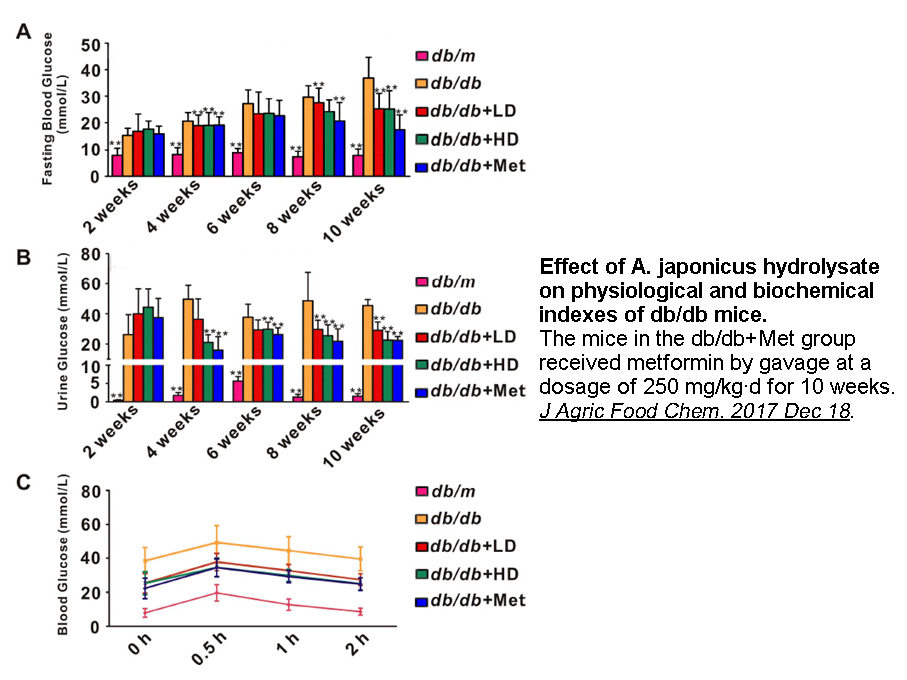
In liver, the essential organ of lipoprotein synthesis, ACL plays a fundamental role in lipogenesis and steroidogenesis by supplying cytosolic AMG-208 to both pathways. By using a tricarboxylic acid cycle intermediate (citrate) to produce acetyl CoA, ACL can be seen as an important bridge between c
-
With regard to the first question subcellular fractionation
2023-12-13
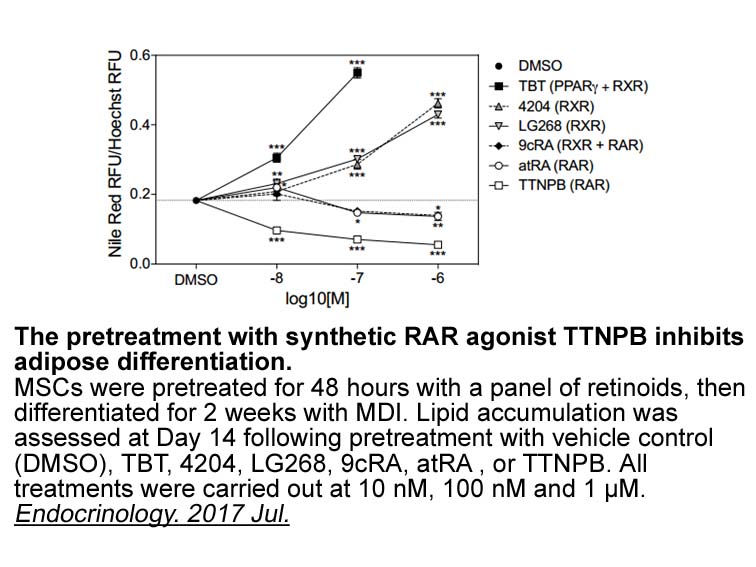
With regard to the first question, subcellular fractionation studies revealed that BDK and PPM1K are clearly detectable in both the mitochondrial and cytosolic subcellular fractions, thus making it possible for these enzymes to interact with both the BCKDH and ACL substrates. The preferential prese
-
The skin permeability barrier is important for
2023-12-13
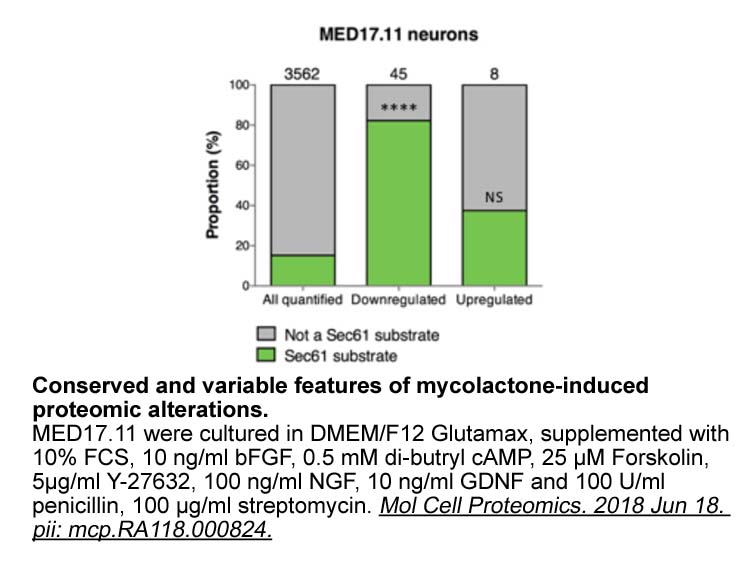
The skin permeability barrier is important for the prevention of loss of water and electrolytes from inside the body and for protection against the invasion of external pathogens, allergens, and harmful compounds. Multi-layered lipids, called lipid lamellae, are present in the outermost cell layer o
-
It was deduced empirically that the helix direction
2023-12-13
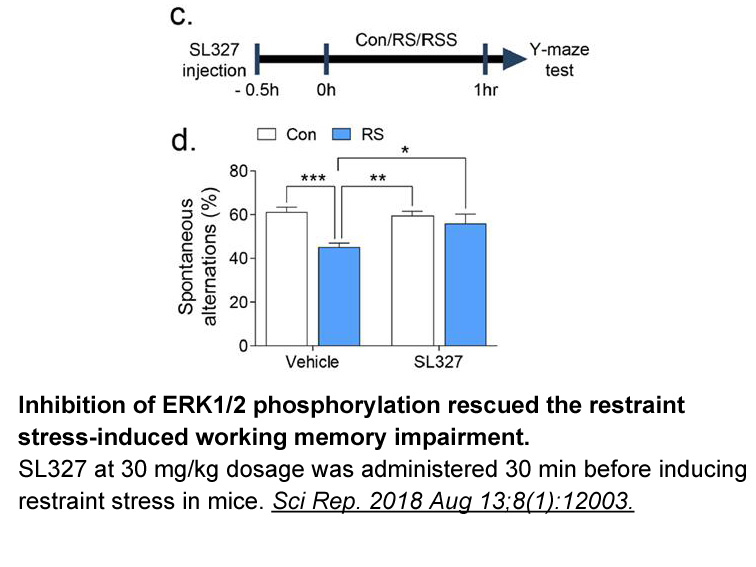
It was deduced empirically that the helix direction of the COOC torsion might relate to the sign of the peroxide Cotton effect. Huang reported ab initio calculation of the peroxide bond using MRDCI method and DZP basis set, but only the fragment CH3OOCH3 instead of full molecule was studied [19]. Si
-
The current results also demonstrated
2023-12-13
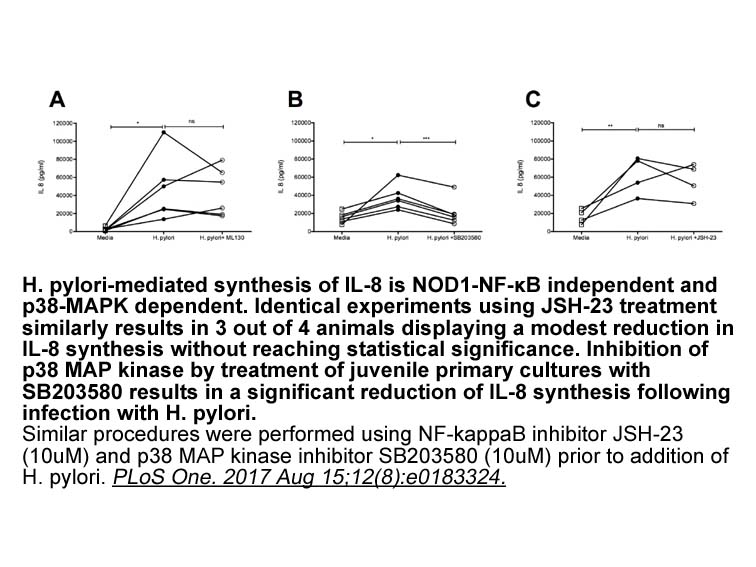
The current results also demonstrated tendencies toward decreased serum Aβ40 levels and increased Aβ42 levels during the 1-year follow-up. These tendencies are consistent with the results of a previous study that evaluated Aβs in the CSF of patients with late-life depression (Pomara et al., 2016). T
-
Due to its unique histological architecture
2023-12-13
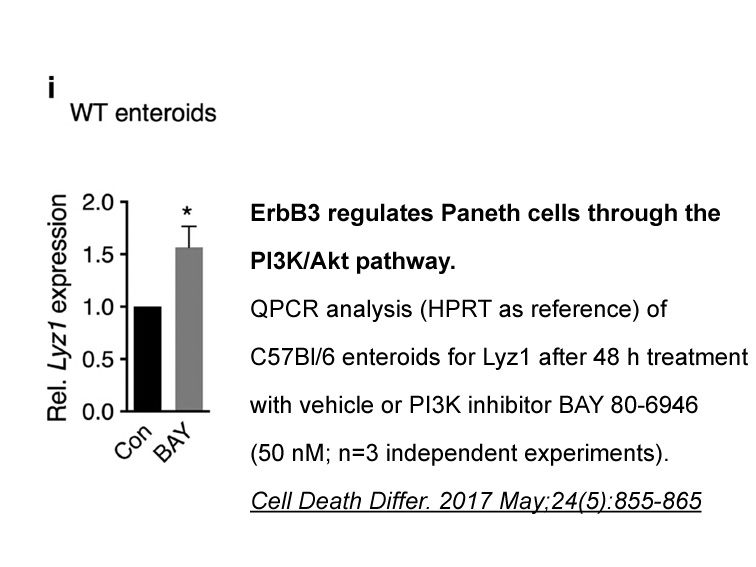
Due to its unique histological architecture and blood supply, the lung is one of the most susceptible organs under uncontrolled systemic inflammatory circumstance [16]. Several studies have reported the anti-inflammatory benefits of metformin in acute lung injury induced by lipopolysaccharide (LPS),
-
Similar to Cys Met can undergo
2023-12-13
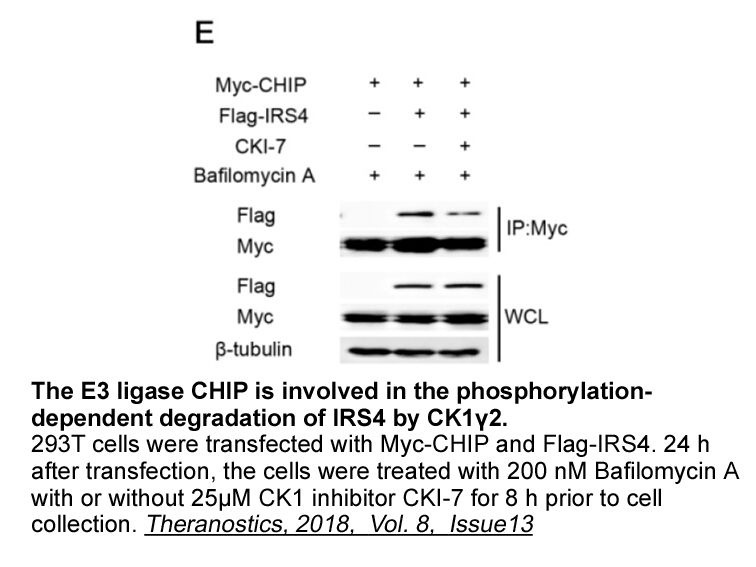
Similar to Cys, Met can undergo ROS-mediated oxidation to Met sulfoxide, which can result in changes in protein conformation and activity [43]. In our results, the Met content in wild ginseng is higher compared to cultivated ginseng (1.3 times, Table 1). Met is a substrate for the synthesis of vario
-
Some members from the AAAP family
2023-12-13

Some members from the AAAP family, namely the AUX1 and the LAX proteins, transport auxin instead of amino acids [48]. While there is some structural relationship between IAA and Trp, the substrate recognition characteristics seem different for these proteins: the auxins do not have any amino group o
-
br Potential and established risk factor for Alzheimer s
2023-12-13
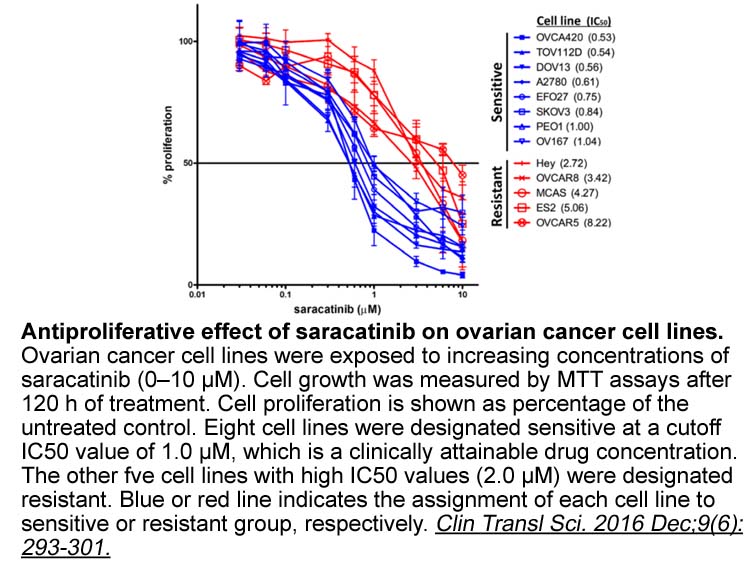
Potential and established risk factor for Alzheimer’s Disease The only way to overcome the above mentioned limitations is the identification of risk factors, which, taken together, can reliable predict the development of AD. Age and ApoE4 are established non-modifiable risk factors for AD. The ri
-
A straightforward synthetic pathway was adopted to synthesiz
2023-12-13
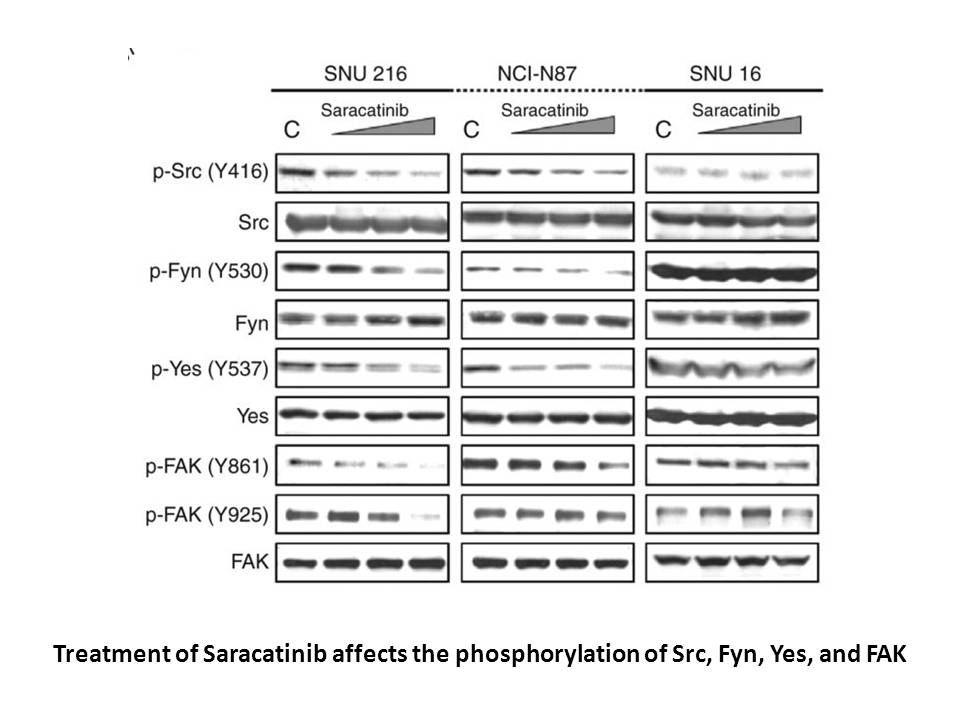
A straightforward synthetic pathway was adopted to synthesize the target compounds as outlined in . The starting chloromethylquinazolinones (–) were synthesized from anthranilic 10Panx in two steps following reported procedures., , , The first step involves chloroacetylation of anthranilic acid us
-
Clofazimine ACK has been clearly implicated in cancer progre
2023-12-13
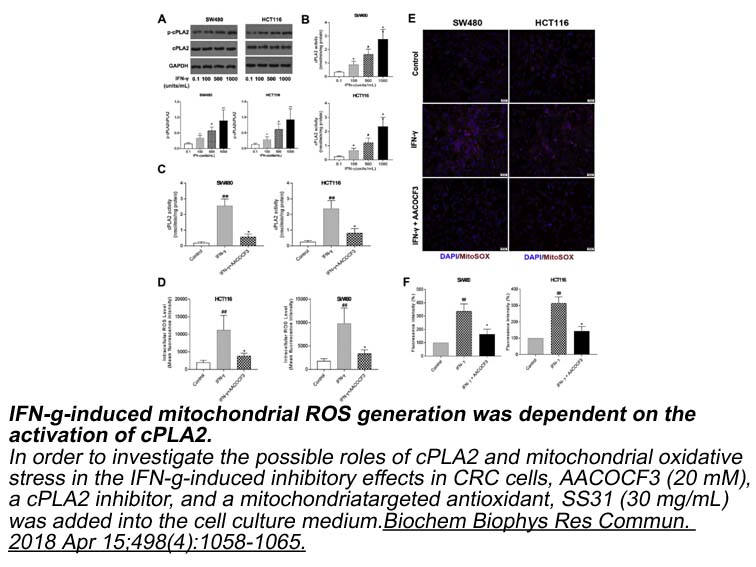
ACK1 has been clearly implicated in cancer progression in recent years. A strong correlation between ACK1 gene copy number, protein level and activity have been demonstrated in tumors of different tissue types (Mahajan et al., 2007; van der Horst et al., 2005; Wang et al., 2006). Our western blot an
8142 records 266/543 page Previous Next First page 上5页 266267268269270 下5页 Last page