Archives
- 2026-06
- 2026-05
- 2026-04
- 2026-03
- 2026-02
- 2026-01
- 2025-12
- 2025-11
- 2025-10
- 2025-09
- 2025-04
- 2025-03
- 2025-02
- 2025-01
- 2024-12
- 2024-11
- 2024-10
- 2024-09
- 2024-08
- 2024-07
- 2024-06
- 2024-05
- 2024-04
- 2024-03
- 2024-02
- 2024-01
- 2023-12
- 2023-11
- 2023-10
- 2023-09
- 2023-08
- 2023-06
- 2023-05
- 2023-04
- 2023-03
- 2023-02
- 2023-01
- 2022-12
- 2022-11
- 2022-10
- 2022-09
- 2022-08
- 2022-07
- 2022-06
- 2022-05
- 2022-04
- 2022-03
- 2022-02
- 2022-01
- 2021-12
- 2021-11
- 2021-10
- 2021-09
- 2021-08
- 2021-07
- 2021-06
- 2021-05
- 2021-04
- 2021-03
- 2021-02
- 2021-01
- 2020-12
- 2020-11
- 2020-10
- 2020-09
- 2020-08
- 2020-07
- 2020-06
- 2020-05
- 2020-04
- 2020-03
- 2020-02
- 2020-01
- 2019-12
- 2019-11
- 2019-10
- 2019-09
- 2019-08
- 2019-07
- 2019-06
- 2019-05
- 2019-04
- 2018-11
- 2018-10
- 2018-07
-
br Clinical potential of ET receptor biased ligands
2021-02-23
Clinical potential of ET receptor biased ligands Is there a clinical need for ET receptor biased ligands? Evidence is strongest from research in epithelial ovarian cancer demonstrating that ET-1 stimulated ETA-mediated β-arrestin signalling leads to activation of the oncogenic mediator NF-κB [21]
-
br Results br Discussion br
2021-02-23
Results Discussion Materials and Methods Acknowledgment This work was funded by the Collaborative Research Centre (SFB) 807 of the German Research Foundation (DFG) and supported by the state of Hessen (Center for Biomolecular Magnetic Resonance) and the German Research Foundation (DO545/
-
A growing number of other post translational modifications
2021-02-23

A growing number of other post-translational modifications are implicated in regulation of the ubiquitin system, including substrate modification by hydroxylation, glycosylation, acetylation, methylation, modification by poly(ADP-ribose) (PAR), and attachment of ubiquitin-like modifiers. The HIF1-α
-
A growing number of other post translational modifications a
2021-02-23
A growing number of other post-translational modifications are implicated in regulation of the ubiquitin system, including substrate modification by hydroxylation, glycosylation, acetylation, methylation, modification by poly(ADP-ribose) (PAR), and attachment of ubiquitin-like modifiers. The HIF1-α
-
Schizandrin A synthesis Protein degradation via UPP involves
2021-02-23
Protein degradation via UPP involves two steps. One step is the conjugation of multiple ubiquitin to a substrate. The other step is the degradation of tagged protein by the downstream 26S proteasome complex. Protein ubiquitination is the E1–E2–E3 enzymatic cascade (Hershko & Ciechanover, 1998). E1-a
-
Cy5 carboxylic acid (non-sulfonated) Gliptins have become a
2021-02-23
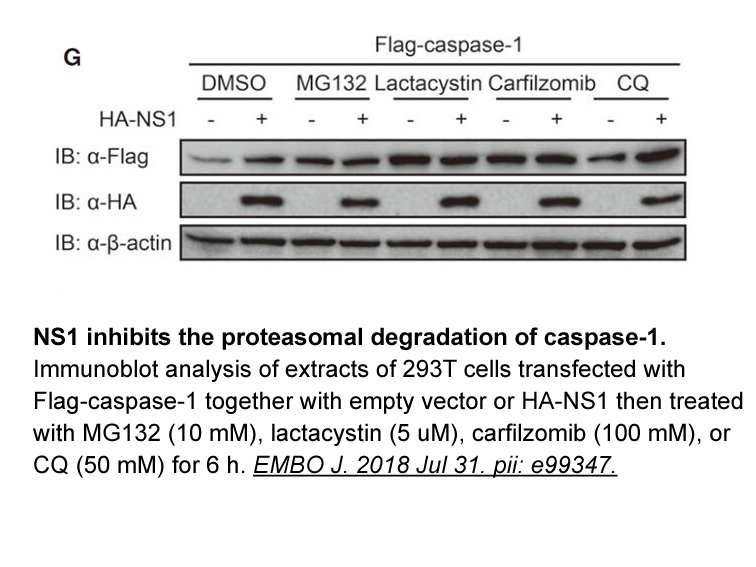
Gliptins have become a part of various therapeutic regimens to treat type 2 diabetics in recent decades. Gliptins were developed to lower the blood glucose in type 2 diabetes patients and have been shown to be effective [4,5]. More than a dozen gliptins have been developed for the treatment of T2DM,
-
The DNA damage response DDR is a cellular mechanism that
2021-02-23
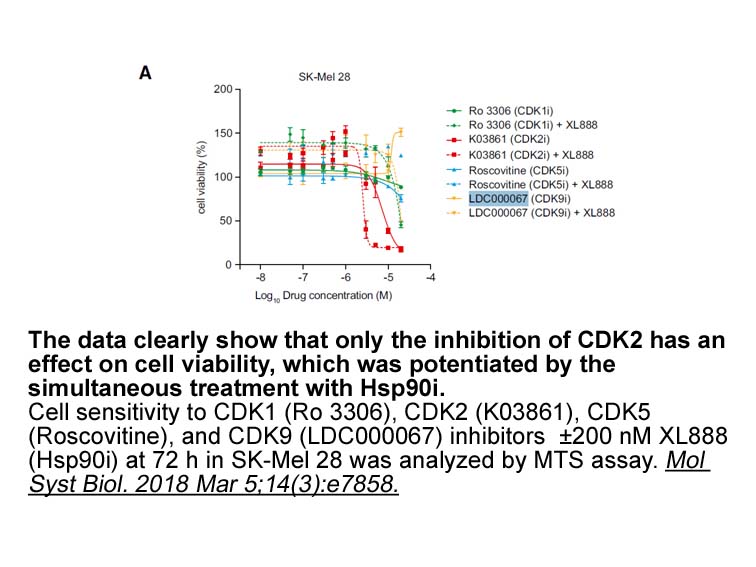
The DNA damage response (DDR) is a cellular mechanism that protects against DNA damage induced by endogenous and exogenous factors, it includes changes in cellular processes such as LBH589 mg regulation, DNA damage repair, apoptosis and chromatin remodeling. In recent years, the DDR has been recogn
-
Mutation in BRCT II domain W R
2021-02-23
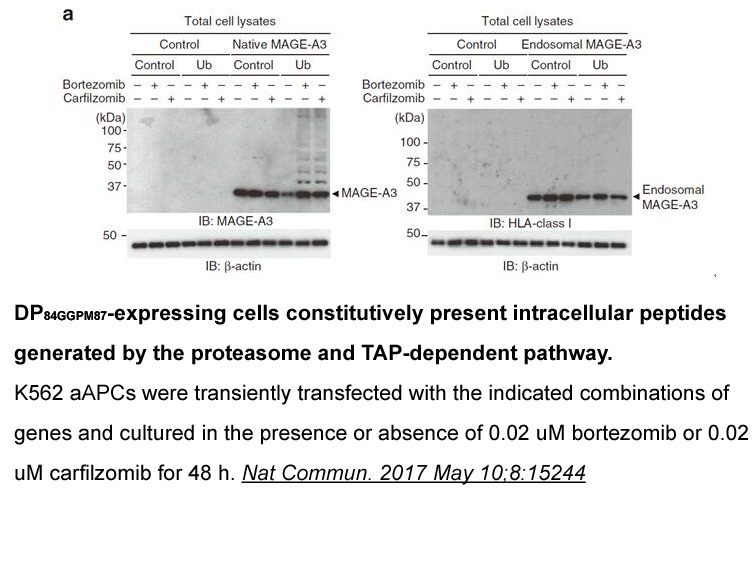
Mutation in BRCT-II domain (W893R) either in the full-length context or the C-terminal context greatly reduced the expression of LIG4 (Fig. 2B, Fig. 3B), suggesting the importance of BRCT-II domain in the maintenance of LIG4. In this regard, it might be noted that LIG4 protein was undetectable in Li
-
br Materials and methods br Results br Discussion Tuberculos
2021-02-23
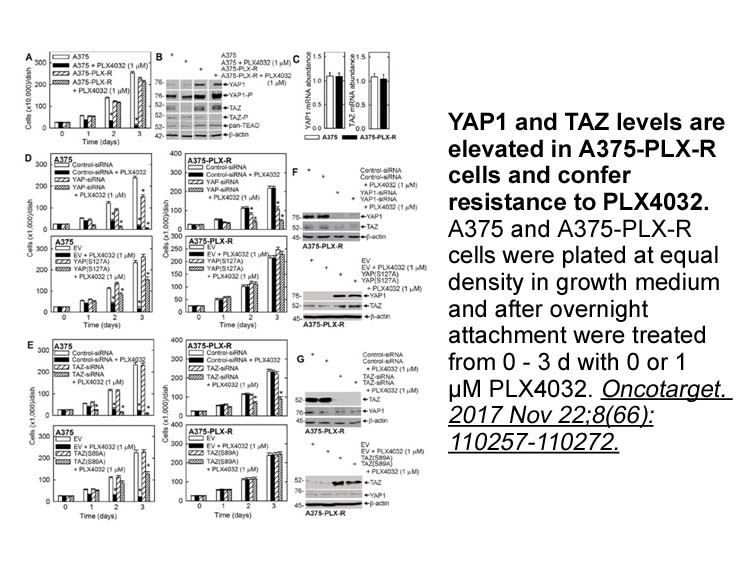
Materials and methods Results Discussion Tuberculosis is caused by the mycobacterium M. tuberculosis, a pathogen able to survive in the hostile conditions through sophisticated defence mechanisms. In an attempt to clarify some aspects of the M. tuberculosis defence mechanisms, we have inves
-
br Conflict of interest statement
2021-02-22
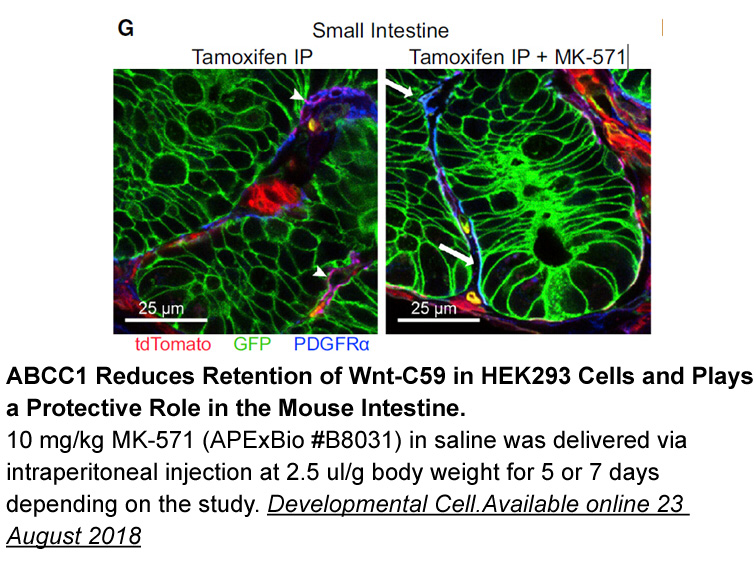
Conflict of interest statement Acknowledgement The study was financially supported by the Ministry of Education, Youth and Sports of the Czech Republic – projects “CENAKVA” (No. CZ.1.05/2.1.00/01.0024) and “CENAKVA II” (No. LO1205 under the NPU I program), by the Grant Agency of the University
-
L-Carnitine inner salt br Introduction Analyses of genomic
2021-02-22
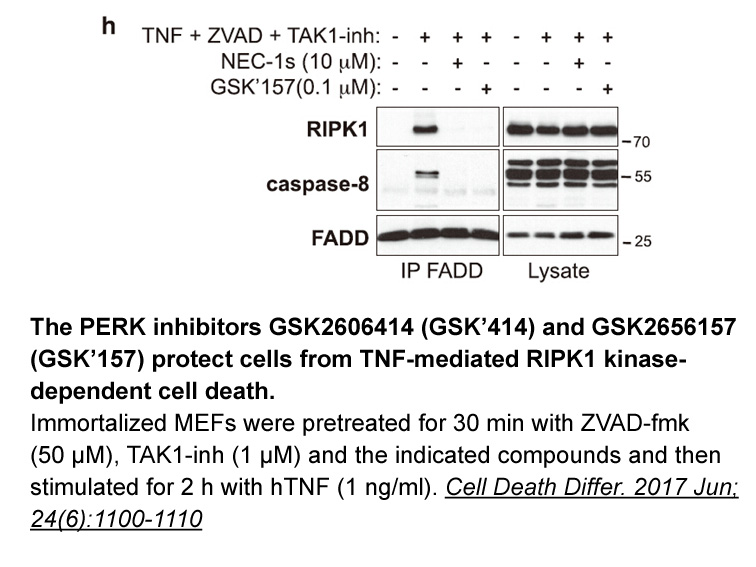
Introduction Analyses of genomic alterations in cancer have identified epidermal growth factor receptor (EGFR) as one of the most potent “oncogenic driver” kinases that is present in many epithelial tumors including endometrial, breast, prostate, skin, esophagus, lung, stomach, colorectal, and re
-
Flexible alignment of isopropylphenylaminobenzimidazole with
2021-02-22
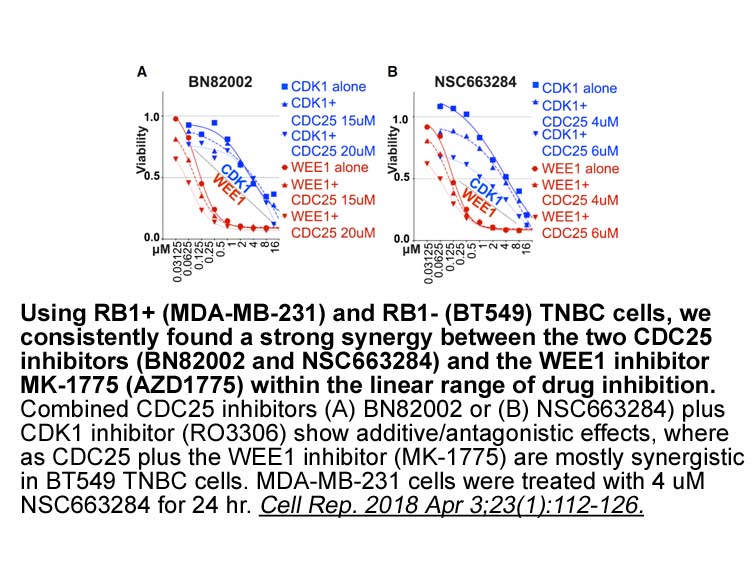
Flexible alignment of 7-isopropylphenylaminobenzimidazole 16 with the lead Nicotine 1 was performed using MOE. It was found that the aryl group of compound 16, exemplified as a yellow circle in Figure 2, overlapped well with the corresponding alkyl chain of compound 1 as well as the other key funct
-
Building applications by selecting and integrating
2021-02-22
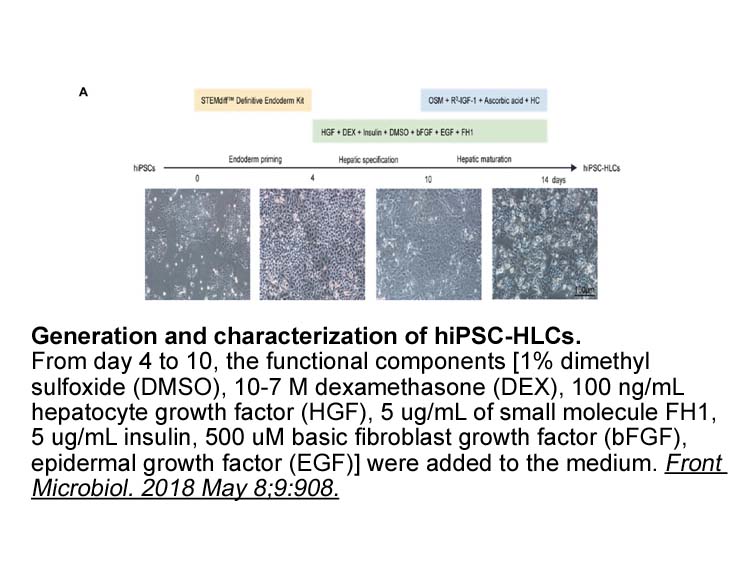
Building applications by selecting and integrating components is known in software engineering as COTS-based development. Nowadays, this approach is recognized as a crucial success factor for the software industry (Ahuja, 2014). The advantages of using COTS components include minimizing the overall
-
Introduction The COMT gene is located on chromosomal band
2021-02-22
Introduction The COMT gene is located on chromosomal band 22q11.2, extends over 28 kb, contains six exons, and encodes for catechol-O-methyl-transferase (Weinshilboum and Raymond, 1977; Grossman et al., 1992; Lundström et al., 1995; Bearden et al., 2005). This enzyme plays a major role in regulatio
-
From our array results Supplemental Fig S we found that
2021-02-22
From our array results (Supplemental Fig. S2), we found that differential lncRNA profiling exhibited much greater disparity compared to differential gene profiling in CD28nullCD8+ T cells, indicating that differentially expressed lncRNA(s) would serve as ideal hallmarks. Moreover, we were fortunate
16343 records 716/1090 page Previous Next First page 上5页 716717718719720 下5页 Last page