Archives
- 2026-06
- 2026-05
- 2026-04
- 2026-03
- 2026-02
- 2026-01
- 2025-12
- 2025-11
- 2025-10
- 2025-09
- 2025-04
- 2025-03
- 2025-02
- 2025-01
- 2024-12
- 2024-11
- 2024-10
- 2024-09
- 2024-08
- 2024-07
- 2024-06
- 2024-05
- 2024-04
- 2024-03
- 2024-02
- 2024-01
- 2023-12
- 2023-11
- 2023-10
- 2023-09
- 2023-08
- 2023-06
- 2023-05
- 2023-04
- 2023-03
- 2023-02
- 2023-01
- 2022-12
- 2022-11
- 2022-10
- 2022-09
- 2022-08
- 2022-07
- 2022-06
- 2022-05
- 2022-04
- 2022-03
- 2022-02
- 2022-01
- 2021-12
- 2021-11
- 2021-10
- 2021-09
- 2021-08
- 2021-07
- 2021-06
- 2021-05
- 2021-04
- 2021-03
- 2021-02
- 2021-01
- 2020-12
- 2020-11
- 2020-10
- 2020-09
- 2020-08
- 2020-07
- 2020-06
- 2020-05
- 2020-04
- 2020-03
- 2020-02
- 2020-01
- 2019-12
- 2019-11
- 2019-10
- 2019-09
- 2019-08
- 2019-07
- 2019-06
- 2019-05
- 2019-04
- 2018-11
- 2018-10
- 2018-07
-
bms webpage As mentioned above disruption of Tgif in mice
2020-10-19
As mentioned above, disruption of Tgif1 in mice is associated with dyslipidemia, and here we investigate the effects of overexpression of TGIF1 on expression of the Npc1l1 gene and markers of intestinal cholesterol absorption. Materials and methods Results Discussion In this study, we soug
-
Fisetin tetrahydroxyflavone is a flavonol present in several
2020-10-19

Fisetin (3,3′,4′,7-tetrahydroxyflavone) is a flavonol present in several fruits and vegetables such as grape, persimmon, strawberry, apple, and onion at concentrations rangeing from 2 to 160 μg/g. Fisetin is a well–known bioflavonoid with remarkable biological effects including chemopreventive/chemo
-
Considering these reports and with the
2020-10-19
Considering these reports, and with the aim of further investigating the mechanism by which the cAMP-Epac/PKA pathway activates eNOS, we have performed imaging experiments evaluating the effect of drugs that increase cAMP or modify its signalling pathways (PKA or Epac activators and inhibitors) on b
-
Little information is available regarding
2020-10-19
Little information is available regarding the expression of the different EP receptor subtypes on human monocytic cells, particularly those that are involved in downregulating cytokine production. The receptors are controlled by the respective genes for each receptor i.e. PTGER1–PTGER4 for EP1–EP4 r
-
Among the high value compounds
2020-10-19
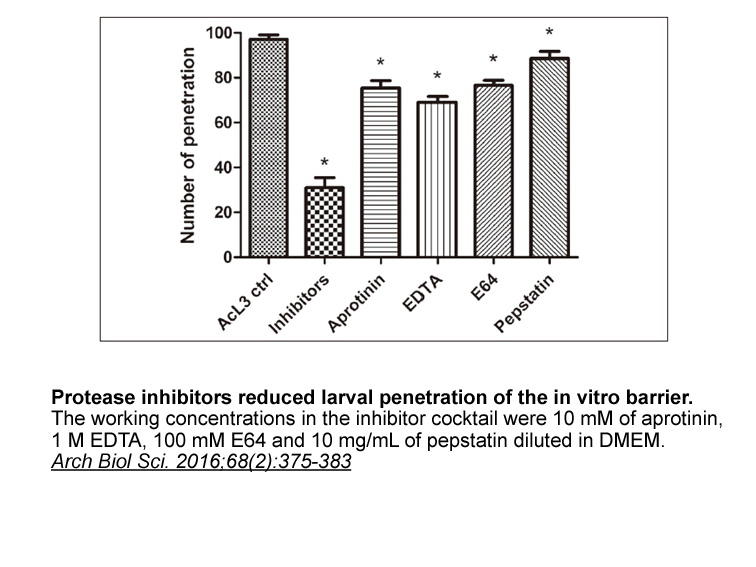
Among the high value compounds derived from agricultural residues there are enzymes with industrial application. The extraction processes have been focused on the development of new strategies that guarantee high recovery rates with maximum activity (Nadar et al., 2017). The residues of these two fr
-
Lymphocyte mobility and homing is modulated by the chemoattr
2020-10-19
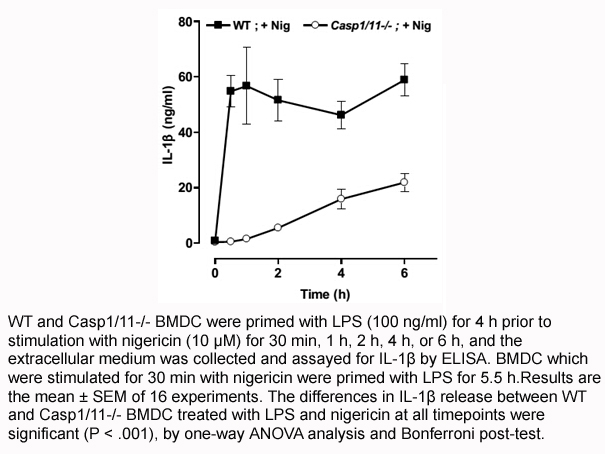
Lymphocyte mobility and homing is modulated by the chemoattractant receptor subfamily of G protein-coupled receptors (GPCRs) (Campbell et al., 2003, Rot and von Andrian, 2004). B cell migration and position are controlled to a large extent by the lymphoid chemokines CXCL13, CXCL12, CCL19, and CCL21
-
SR 1555 hydrochloride synthesis br Inhibiting APC C during I
2020-10-19
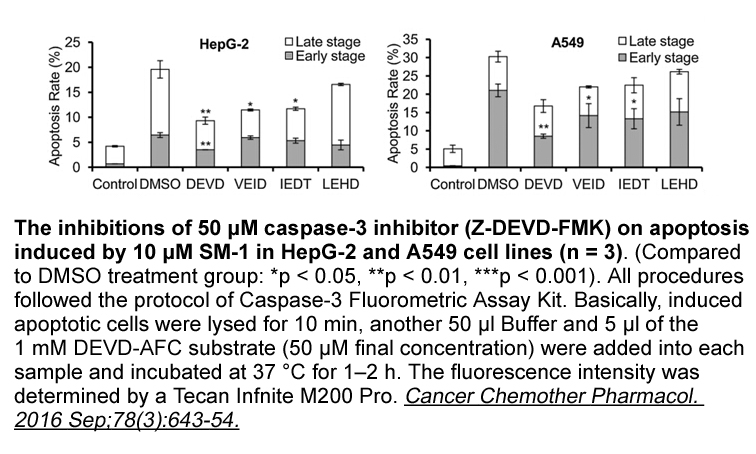
Inhibiting APC/C during Interphase and prior to Anaphase Because ubiquitylation by APC/C triggers cell division, it is essential that APC/C is restrained until cells are prepared for its substrates to be degraded. In addition to regulation by phosphorylation, an additional layer of control comes
-
br Results br Discussion In addition to
2020-10-17

Results Discussion In addition to contributing to amino Indoximod and lipid biosynthesis, mitochondrial metabolism affects nucleotide biosynthesis. Indeed, many components that contribute to both pyrimidine and purine bases are derived directly or indirectly from mitochondria. Besides glutami
-
br Materials and methods br Results
2020-10-17
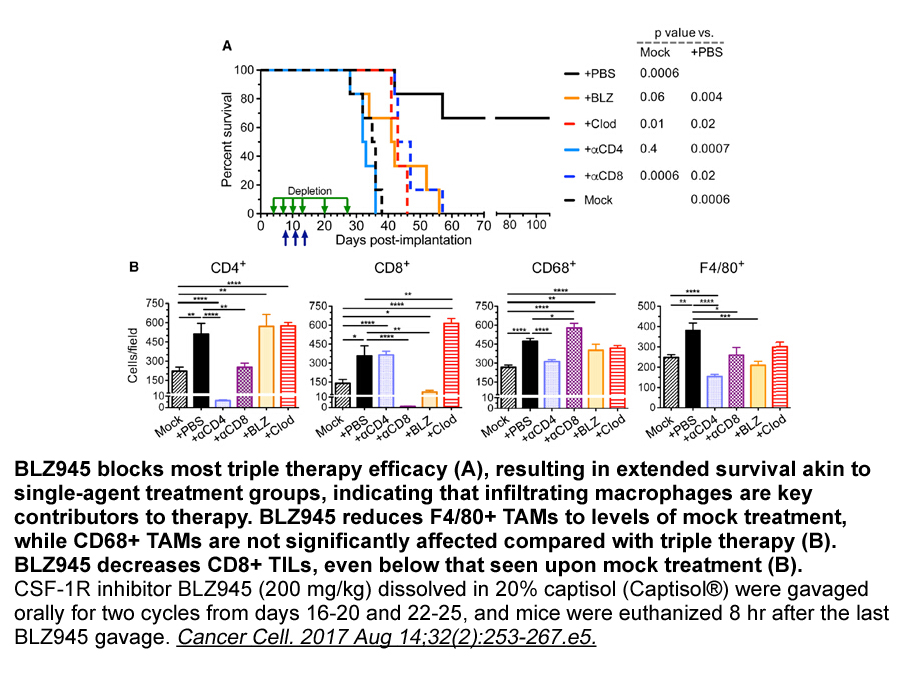
Materials and methods Results Discussion To our knowledge, this is the first large-scale longitudinal measurement of more than 20 cytokines in normal pregnancy. Simultaneous measurements of several cytokines with multiplex magnetic bead-based immunoassays are becoming increasingly common in
-
Studies have shown that the cultivation of BMSCs
2020-10-17
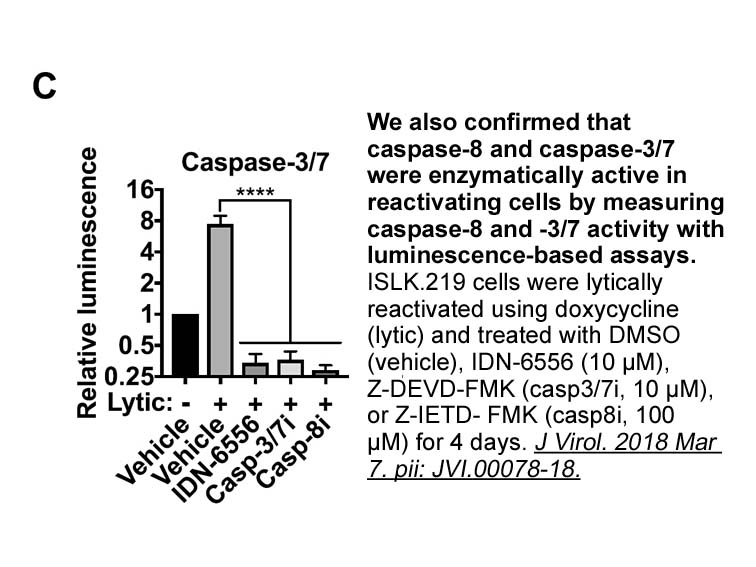
Studies have shown that the cultivation of BMSCs under hypoxic conditions, treating with cytokines (such as HGF, IGF-1 and IL-6) and viral-mediated CXCR-4 gene delivery have been shown to re-establish CXCR-4 expression on the surface of stem Bleomycin Sulfate (Liu et al., 2010, Liu et al., 2014a, Z
-
Besides the enhanced expression of costimulatory and adhesio
2020-10-17
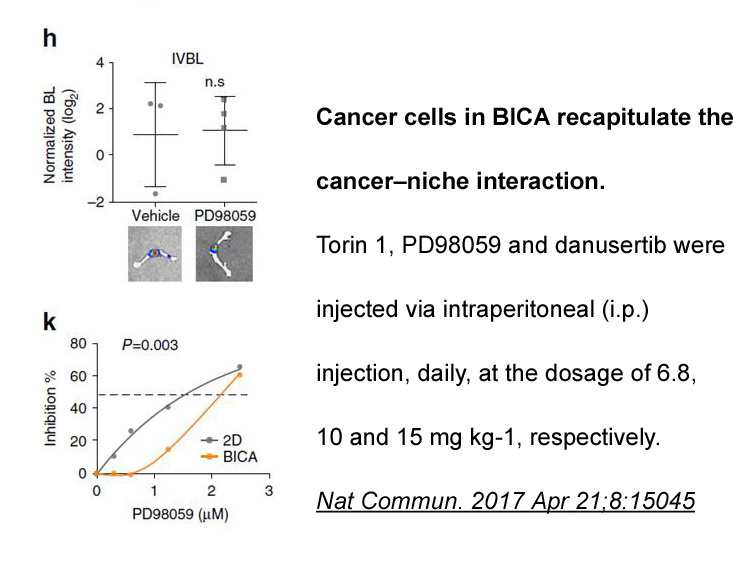
Besides the enhanced expression of costimulatory and adhesion proteins, also the expression of the CD83 surface molecule is strongly enhanced during DC maturation (Banchereau and Steinman 1998; Banchereau et al. 2000). In fact, CD83 is a major cell surface marker for fully mature DC, as it can not b
-
Little information is available regarding
2020-10-16
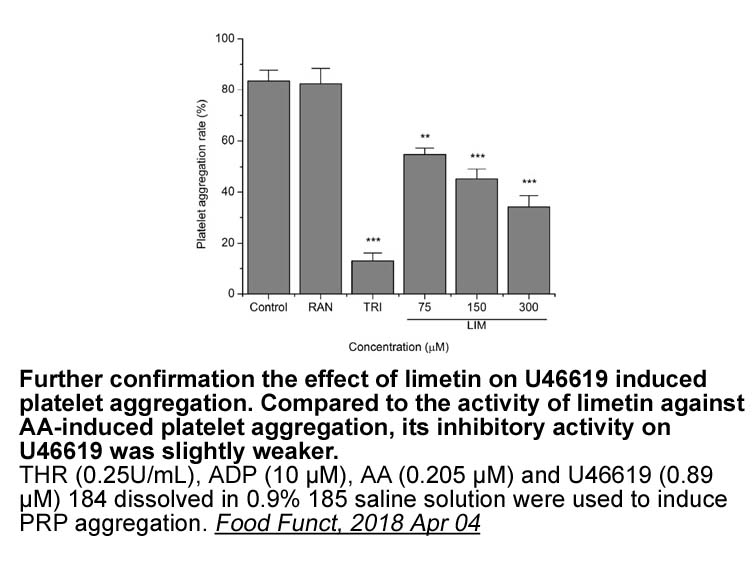
Little information is available regarding the expression of the different EP receptor subtypes on human monocytic cells, particularly those that are involved in downregulating cytokine production. The receptors are controlled by the respective genes for each receptor i.e. PTGER1–PTGER4 for EP1–EP4 r
-
Introduction Taenia solium is the causative
2020-10-16
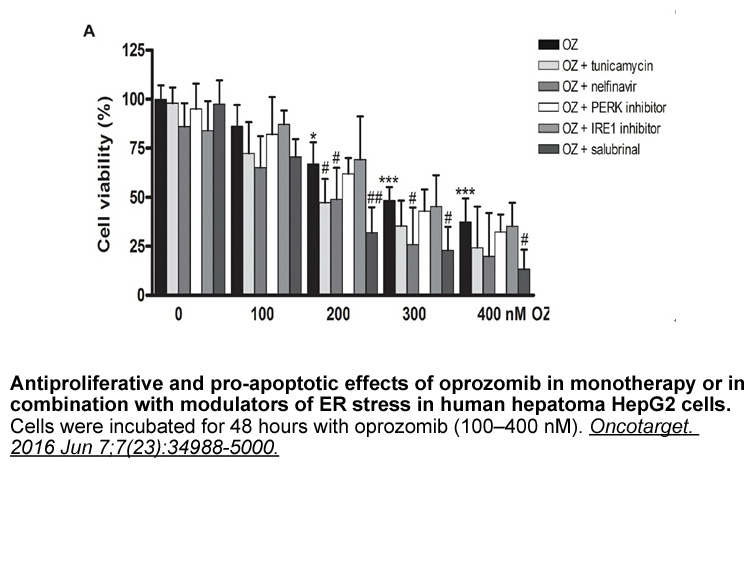
Introduction Taenia solium is the causative agent of human taeniasis/cysticercosis and porcine cysticercosis, a major health problem and a veterinary economic challenge in developing countries of Latin America, Africa, and Asia. In Mexico, approximately 500 human neurocysticercosis cases were repor
-
br Conflict of interest br Acknowledgements We wish
2020-10-16

Conflict of interest Acknowledgements We wish to thank Arantza Pérez (University of the Basque Country) for her technical contribution to this study. This work was supported by grants from the Jesús Gangoiti-Barrera Foundation, Gobierno Vasco (GIC07/84), MEC () and SAIOTEK (SA-2008/00046).
-
br Conclusions br Acknowledgements Implantable Microsystems
2020-10-16
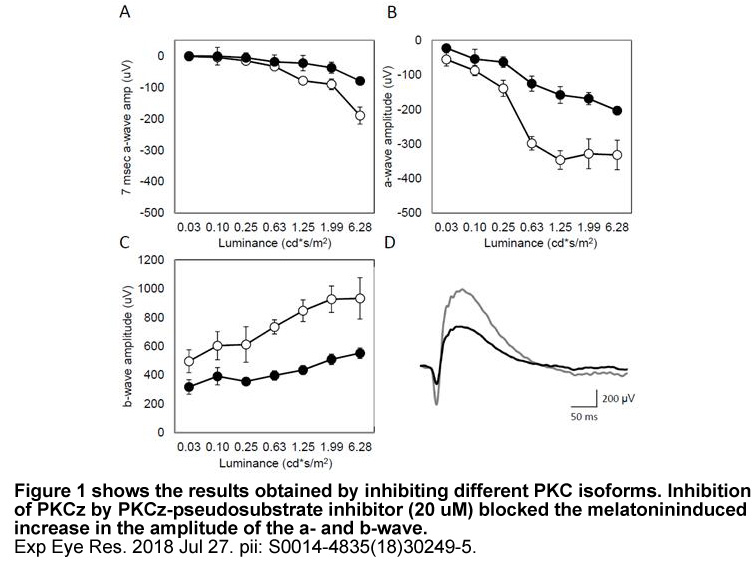
Conclusions Acknowledgements Implantable Microsystems for Personalised Anti-Cancer Therapy is a EPSRC (Engineering and Physical Sciences Research Council, UK) funded grant (Ref. EP/K034510/1) Introduction Flemingia philippinensis, belonging to the legume family, is a polyphenol rich plant
16343 records 788/1090 page Previous Next First page 上5页 786787788789790 下5页 Last page